Mini Lemon Lavender Cakes Delicious Glaze Recipe
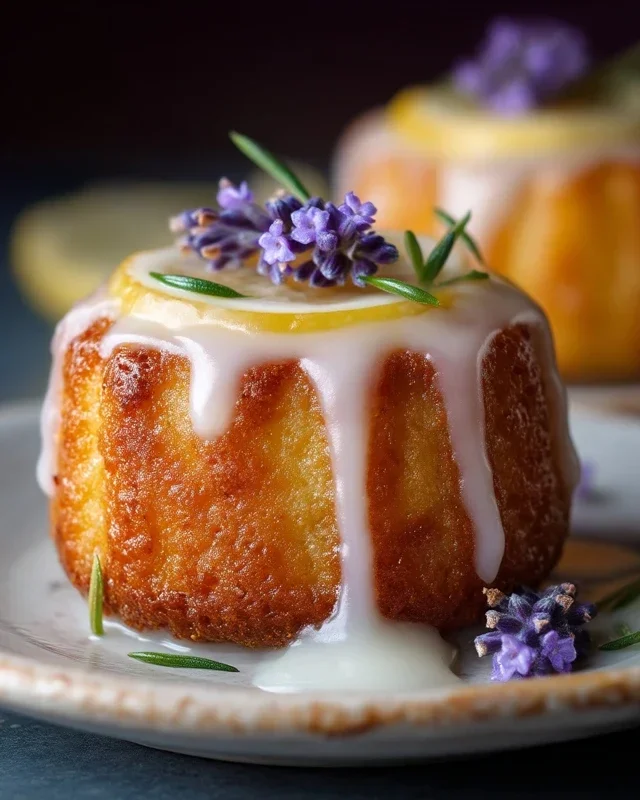
Mini lemon cakes with lavender glaze are a delightful treat that whispers of sunshine and fragrant gardens. There’s something incredibly charming about these bite-sized bursts of citrusy goodness, isn’t there? They’re the perfect little indulgence, elegant enough for a special occasion yet simple enough to brighten any ordinary afternoon. I absolutely adore them because they perfectly balance the bright, zesty punch of lemon with the subtle, aromatic floral notes of lavender. This isn’t your average cake; it’s a sensory experience. The tender crum extractb of the mini lemon cakes is wonderfully complemented by the silky smooth, subtly perfumed lavender glaze, creating a sophisticated and utterly delicious dessert. Get ready to fall in love with these delightful mini lemon cakes.
Mini Lemon Cakes With Lavender Glaze
There’s something truly magical about the combination of bright, zesty lemon and the delicate floral notes of lavender. These mini lemon cakes are like little rays of sunshine, perfect for brightening any occasion, from a cozy afternoon tea to a celebratory brunch. The tender, moist crum extractb of the lemon cake is wonderfully complemented by a sweet, fragrant lavender glaze that is surprisingly simple to make. I love how the subtle perfume of the lavender elevates the familiar citrus flavor, creating a sophisticated yet approachable treat. Baking these mini cakes is a joy, and the aroma that fills the kitchen is simply divine. They are small enough to enjoy without guilt, yet decadent enough to feel like a special indulgence.
Ingredients:
Instructions:
Preparing the Cake Batter
1. Preheat and Prep: Begin extract by preheating your oven to 350°F (175°C). This ensures that your cakes bake evenly. Next, prepare your mini muffin tins. I like to use silicone mini muffin molds because they’re incredibly easy to use and clean, but you can also use traditional metal tins. If using metal, grease and flour each cup thoroughly or line them with mini cupcake liners. This step is crucial to prevent the delicate cakes from sticking. In a medium bowl, whisk together the all-purpose flour, kosher salt, and baking soda. This dry mixture will be added to the wet ingredients later. Setting aside this prepared dry mix allows for easy incorporation.
2. Creaming the Butter and Sugars: In a large mixing bowl, or the bowl of a stand mixer fitted with the paddle attachment, cream together the softened unsalted butter, granulated sugar, and packed light brown sugar. Creaming is the process of beating these ingredients together until they are light and fluffy. This incorporates air, which is vital for a tender cake crum extractb. Beat for about 3-5 minutes, scraping down the sides of the bowl as needed. The mixture should become pnon-alcoholic ale yellow and noticeably increased in volume. This is where the foundation of our cake’s texture is built.
3. Adding Wet Ingredients: Once the butter and sugars are perfectly creamed, add the grated lemon zest. The zest is where all the concentrated lemon flavor lives, so make sure to get as much as you can from those two lemons. Beat for another minute to distribute the zest evenly. Next, add the large eggs, one at a time, beating well after each addition. Ensure each egg is fully incorporated before adding the next. This helps to create a stable emulsion for the batter. Following the eggs, mix in the sour cream, the first portion of whole milk (1/4 cup), and the vanilla extract. Beat until just combined. It’s important that your sour cream and milk are at room temperature, as this helps them emulsify better with the other ingredients, preventing a curdled batter.
4. Combining Wet and Dry: Now, it’s time to bring our dry and wet ingredients together. Gradually add the prepared flour mixture to the wet ingredients, mixing on low speed until just combined. Be careful not to overmix. Overmixing can develop the gluten in the flour too much, resulting in tough cakes. Mix only until you no longer see streaks of dry flour. Once the flour is incorporated, give the batter a final gentle fold with a spatula to ensure everything is evenly distributed, especially scraping the bottom and sides of the bowl. The batter should be thick but pourable.
5. Baking and Cooling: Spoon the batter evenly into the prepared mini muffin cups, filling each about two-thirds full. Avoid overfilling, as this will cause the cakes to spill over during baking. Bake for 15-18 minutes, or until a wooden skewer or toothpick inserted into the center of a cake comes out clean. The edges should be lightly golden brown. Once baked, let the mini cakes cool in the muffin tin for about 5-10 minutes before carefully transferring them to a wire rack to cool completely. It’s essential that the cakes are entirely cool before you glaze them, otherwise, the glaze will melt right off.
Crafting the Lavender Glaze
Once your mini lemon cakes have cooled completely, it’s time to prepare the delightful lavender glaze. In a small bowl, combine the 1/4 cup of whole milk with the culinary lavender. Let this mixture steep for about 10-15 minutes. This infusion process gently extracts the subtle floral essence from the lavender into the milk. After steeping, strain the lavender-infused milk through a fine-mesh sieve into a clean bowl, pressing gently on the lavender solids to extract as much liquid as possible. Discard the lavender solids.
To the strained, lavender-infused milk, add the 1 1/2 cups of powdered sugar and the 1/4 tsp. of kosher salt. Whisk everything together until you have a smooth, pourable glaze. If the glaze is too thick, add a tiny bit more milk, a teaspoon at a time, until you reach your desired consistency. If it’s too thin, add a little more powdered sugar.
Glazing the Cakes
With the cakes cooled and the glaze ready, you can now bring these delicious mini treats to life. Drizzle the lavender glaze generously over the tops of each cooled mini lemon cake. You can use a spoon or a piping bag for a more controlled drizzle. For an extra touch, you can sprinkle a few dried culinary lavender buds on top of the glaze while it’s still wet, but be sure to use them sparingly as their flavor can be quite potent. Let the glaze set for about 15-20 minutes before serving or storing. Enjoy these delightful little cakes – they’re sure to bring a smile to anyone’s face!
Conclusion:
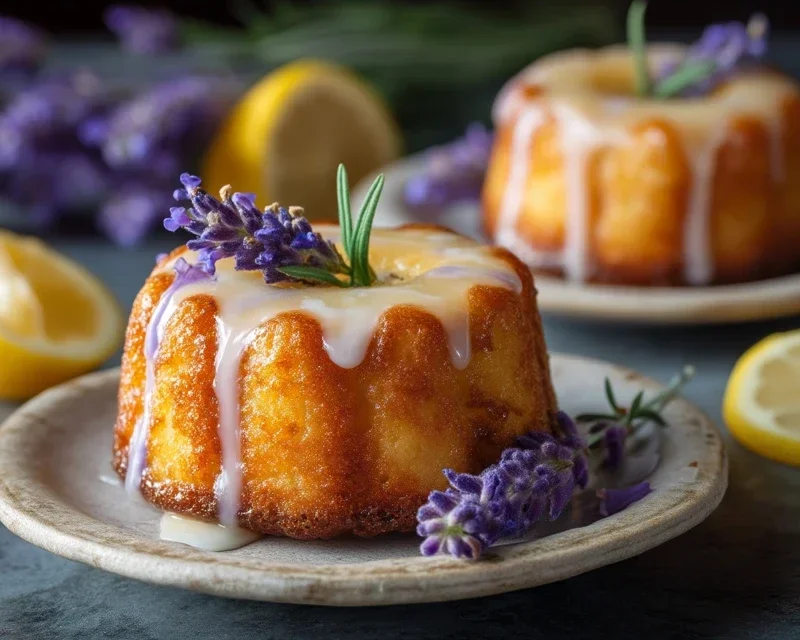
I hope you’ve enjoyed learning how to create these delightful Mini Lemon Cakes with Lavender Glaze! This recipe is truly special because it combines the bright, zesty tang of fresh lemon with the subtly floral and aromatic notes of lavender, creating a sophisticated yet approachable treat. The mini size makes them perfect for individual servings, elegant tea parties, or just a sweet afternoon pick-me-up. They’re surprisingly easy to whip up, making them ideal for both begin extractner bakers and seasoned pros looking for a unique flavor profile.
These little cakes are wonderfully versatile. They’re fantastic on their own, but I also love serving them with a dollop of fresh whipped cream or a scattering of fresh berries. For variations, consider adding a touch of lemon zest to the batter for an extra citrus punch, or experiment with different edible flowers in your glaze – rose petals could offer a lovely alternative. Don’t be afraid to get creative with your presentation, perhaps with a sprinkle of edible glitter or a few fresh lavender sprigs. I truly encourage you to give these Mini Lemon Cakes with Lavender Glaze a try; I’m confident you’ll fall in love with their charming flavor and delicate beauty!
Frequently Asked Questions:
Can I make these cakes ahead of time?
Yes, absolutely! The mini lemon cakes can be baked and stored in an airtight container at room temperature for up to 2 days. The glaze is best applied closer to serving time to maintain its texture, but the unfrosted cakes will hold up beautifully.
Where can I find food-grade lavender?
Food-grade dried lavender can be found in specialty spice shops, health food stores, and many online retailers. Ensure it’s specifically labeled for culinary use to guarantee its safety and flavor.
What if I don’t have a mini muffin tin?
If you don’t have a mini muffin tin, you can adapt this recipe for regular-sized cupcakes. You’ll need to adjust the baking time, likely increasing it by 5-10 minutes, so keep a close eye on them.
Mini Lemon Cakes With Lavender Glaze
Delicate mini cakes infused with bright lemon flavor, topped with a fragrant lavender-infused glaze.
Ingredients
-
1 1/3 cups all-purpose flour
-
1/2 tsp. kosher salt
-
1/8 tsp. baking soda
-
1/2 cup unsalted butter, softened
-
2/3 cup granulated sugar
-
1/3 cup packed light brown sugar
-
1 Tbsp. grated lemon zest
-
2 large eggs, at room temperature
-
1/4 cup sour cream, at room temperature
-
1/4 cup whole milk, at room temperature
-
1 tsp. vanilla extract
-
1/4 cup whole milk
-
1/2 tsp. culinary lavender
-
1 1/2 cups powdered sugar
-
1/4 tsp. kosher salt
Instructions
-
Step 1
Preheat oven to 350°F (175°C). Grease and flour mini muffin tins. -
Step 2
In a medium bowl, whisk together flour, 1/2 tsp. kosher salt, and baking soda. -
Step 3
In a large bowl, cream together softened butter, granulated sugar, and brown sugar until light and fluffy. Beat in lemon zest. -
Step 4
Add eggs one at a time, beating well after each addition. Stir in sour cream, 1/4 cup whole milk, and vanilla extract. -
Step 5
Gradually add the dry ingredients to the wet ingredients, mixing until just combined. Do not overmix. -
Step 6
Spoon batter into prepared mini muffin tins, filling each about two-thirds full. -
Step 7
Bake for 15-18 minutes, or until a toothpick inserted into the center comes out clean. -
Step 8
Let cakes cool in the tins for a few minutes before transferring them to a wire rack to cool completely. -
Step 9
To make the glaze, whisk together 1/4 cup whole milk, culinary lavender, and 1/4 tsp. kosher salt in a small bowl. Let steep for 5 minutes, then strain out the lavender. -
Step 10
Gradually whisk in powdered sugar until smooth and pourable. Drizzle glaze over cooled mini cakes.
Important Information
Nutrition Facts (Per Serving)
It is important to consider this information as approximate and not to use it as definitive health advice.
Allergy Information
Please check ingredients for potential allergens and consult a health professional if in doubt.