Easy Chimichurri Sauce – Fresh Herby Flavor
Chimichurri sauce isn’t just a condiment; it’s an experience, a vibrant burst of herbaceous freshness that has captured hearts (and taste buds) worldwide. I’ve always been drawn to its electric green hue and the tantalizing aroma that promises something truly special. What’s not to love about a sauce that’s simultaneously bright, zesty, and packed with incredible flavor? People adore this Argentinian classic for its incredible versatility and its ability to elevate even the simplest grilled steak to culinary artistry. It’s the secret weapon in my kitchen, transforming everything from chicken and fish to roasted vegetables into something unforgettable. The magic of chimichurri sauce lies in its simple, fresh ingredients – parsley, garlic, oregano, vinegar, and oil – meticulously balanced to create a symphony of taste that is both invigorating and deeply satisfying. Get ready to unlock the secret to making your own sensational chimichurri at home.
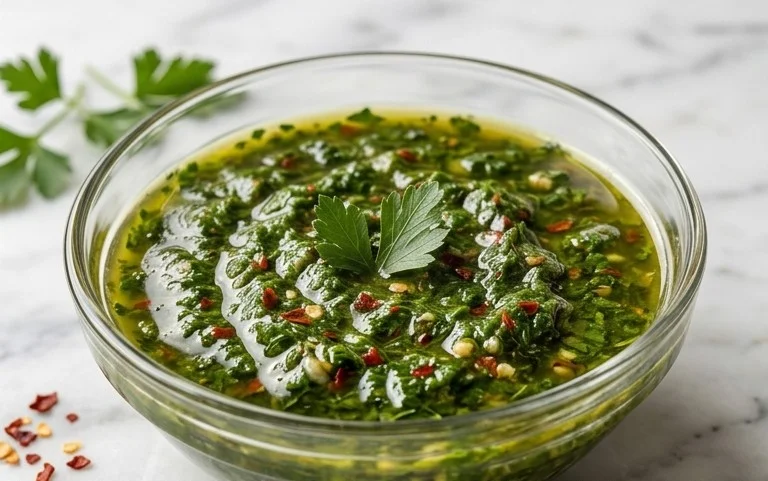
Chimichurri Sauce: The Vibrant Argentine Condiment You Need
There are some sauces that simply elevate any dish they touch, and chimichurri is undeniably one of them. This bright, herbaceous, and slightly tangy condiment hails from Argentina and Uruguay, traditionally served with grilled meats like steak and beef chorizo. However, its versatility extends far beyond the grill. Imagin extracte spooning it over roasted vegetables, drizzling it on grilled fish, or even using it as a zesty salad dressing. It’s a flavor explosion that’s surprisingly easy to make at home, requiring no cooking at all, just a good chop and a whisk.
The magic of chimichurri lies in its fresh ingredients. The dominant flavor comes from parsley, brightened further by cilantro and the subtle herbal notes of oregano. Garlic provides a pungent kick, while red onion or shallot adds a delicate sweetness. The acidity from red grape juice vinegar and fresh lemon juice cuts through richness, and a hint of red pepper flakes can provide a welcome warmth. Finally, good quality olive oil binds everything together into a luscious, vibrant sauce.
Making chimichurri is a rewarding experience, and the aroma alone as you chop the herbs is incredibly inviting. The best part? It’s incredibly forgiving. Don’t have exactly the right amount of an herb? Don’t worry, a little more or less won’t ruin it. This recipe is a fantastic starting point, and you can easily adjust it to your personal preferences over time. So, let’s get started on creating this essential condiment for your culinary repertoire.
Ingredients:
Instructions:
1. Preparing the Fresh Herbs
The first and most crucial step in creating a vibrant chimichurri is to properly prepare your fresh herbs. We’re aiming for finely chopped herbs, not a paste. Start by thoroughly washing your parsley and cilantro and patting them completely dry. Excess water can dilute the flavor and make your sauce watery. Strip the leaves from the tough stems of the parsley and cilantro. For the oregano, if using fresh, strip the leaves from the stems as well. If you’re using dried oregano, you can simply measure it out. Gather the parsley leaves into a tight bunch and chop them very finely. Do the same for the cilantro and oregano. The goal is to have tiny, almost confetti-like pieces of herbs. This technique releases their essential oils and ensures an even distribution of flavor throughout the sauce.
2. Mincing the Aromatics
Next, we’ll prepare the garlic and onion. Peel your garlic cloves. For the best flavor infusion without an overpowering raw garlic bite, I like to mince the garlic very finely. You can use a garlic press or finely chop it with your knife. If you’re using a red onion, you’ll want to use only about a quarter of a small one, or if you prefer a milder flavor, a single small shallot is an excellent substitute. Finely mince the onion or shallot as well. The goal here is to have very small pieces that will meld seamlessly into the sauce, rather than biting into large chunks.
3. Combining the Base Flavors
Now it’s time to bring all those chopped aromatics and herbs together. In a medium-sized bowl, combine the finely chopped parsley, cilantro, oregano, red onion or shallot, and minced garlic. Add the salt and the red pepper flakes (if you’re using them). The salt is important for enhancing all the flavors, and you can always adjust it to your liking at the end. The red pepper flakes are optional, but they add a delightful subtle heat that really rounds out the sauce. Stir these dry ingredients together briefly to distribute them evenly.
4. Adding the Liquids and Emulsifying
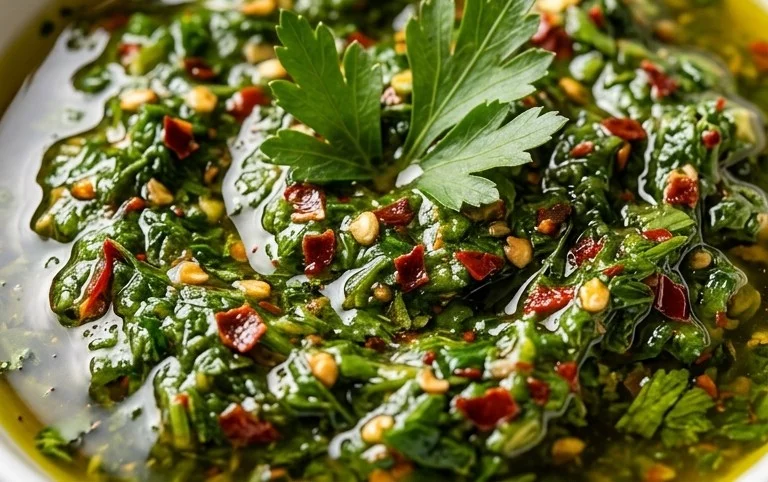
This is where the sauce starts to come to life. Pour the red grape juice vinegar and fresh lemon juice over the herb and aromatic mixture. Stir everything together. The acidity from the vinegar and lemon juice will begin extract to soften the herbs and aromatics, and the flavors will start to meld. Now, slowly drizzle in the olive oil while continuously whisking. This is the emulsification process. As you whisk, the oil and the acidic liquid will combine to create a thicker, more cohesive sauce. Continue whisking until the oil is fully incorporated and the sauce has a slightly thickened, vibrant green appearance. A good quality extra virgin extract olive oil will contribute a lovely fruity note to the chimichurri.
5. Resting and Adjusting Flavors
Once everything is combined, the hardest part is waiting! It’s highly recommended to let your chimichurri sauce rest for at least 30 minutes at room temperature before serving. This resting period allows all the flavors to meld and deepen beautifully. The herbs will rehydrate slightly, and the garlic and onion will infuse their pungent and sweet notes into the liquid. After resting, give it another good stir. Now is the time to taste and adjust the seasoning. Does it need a little more salt? A touch more acidity from lemon juice or vinegar? Or perhaps a pinch more red pepper flakes for an extra kick? Adjust these elements until the flavor is exactly to your liking. The chimichurri will keep in an airtight container in the refrigerator for up to a week, and its flavor often improves with time.
Conclusion:
There you have it – your ultimate guide to creating vibrant and flavorful Chimichurri Sauce! This versatile herb sauce is truly a game-changer in the kitchen, offering a fresh, zesty kick that elevates everything it touches. Its simplicity, relying on readily available ingredients and minimal prep, makes it an ideal addition to your culinary repertoire, perfect for both weeknight dinners and impressive gatherings. Whether you’re grilling steak, fish, or vegetables, this herbaceous delight adds an irresistible brightness that will have your guests asking for the recipe. Don’t be afraid to experiment with serving suggestions; this sauce is not limited to traditional pairings. Its bright, herbaceous profile works wonderfully as a dip for empanadas, a topping for roasted potatoes, or even stirred into a simple vinaigrette.
Frequently Asked Questions:
Can I make Chimichurri Sauce ahead of time?
Absolutely! Chimichurri sauce actually benefits from a little resting time. I recommend making it at least an hour before you plan to serve it, allowing the flavors to meld beautifully. It can be stored in an airtight container in the refrigerator for up to 5 days.
What are some variations on traditional Chimichurri?
The beauty of chimichurri lies in its adaptability! For a spicier kick, add a pinch of red pepper flakes or a finely chopped jalapeño. You can also introduce other herbs like parsley or chives to complement the cilantro and parsley. Some enjoy a touch of lemon zest for an extra citrusy punch, or even a hint of smoked paprika for a deeper flavor profile.
How can I adjust the consistency of my Chimichurri?
If your chimichurri seems too thick, you can thin it out with a little extra olive oil or a small splash of red grape juice vinegar until it reaches your desired consistency. Conversely, if it’s too thin, simply let it sit for a bit longer, and the herbs will absorb some of the liquid, thickening it naturally.
I truly encourage you to give this delightful chimichurri sauce a try. It’s a simple yet profound way to inject incredible flavor into your meals!
Chimichurri Sauce
A vibrant and herbaceous Argentine sauce perfect for grilled meats, vegetables, and more. This recipe offers a flavorful kick without alcohol.
Ingredients
-
1 1/2 cups well packed (42g) fresh parsley
-
1/2 cup well packed (20g) fresh cilantro
-
1/4 cup (9g) fresh oregano
-
1/4 small red onion
-
3 garlic cloves
-
3 Tbsp red grape juice vinegar
-
2 Tbsp fresh lemon juice
-
1/2 tsp salt
-
1/4 tsp red pepper flakes
-
3/4 cup olive oil
Instructions
-
Step 1
Finely chop the fresh parsley, cilantro, and oregano. You can do this by hand or pulse them briefly in a food processor. -
Step 2
Finely mince the red onion (or shallot) and garlic cloves. If using a food processor for the herbs, you can add these in and pulse until finely chopped. -
Step 3
In a medium bowl, combine the chopped herbs, minced onion/shallot, and minced garlic. -
Step 4
Add the red grape juice vinegar, fresh lemon juice, salt, and red pepper flakes (if using) to the bowl. Stir well to combine. -
Step 5
Slowly drizzle in the olive oil while stirring continuously until the sauce is emulsified and well combined. -
Step 6
Taste and adjust seasoning with more salt, red pepper flakes, or vinegar as needed. -
Step 7
For best flavor, let the chimichurri sauce sit for at least 15-30 minutes at room temperature before serving to allow the flavors to meld.
Important Information
Nutrition Facts (Per Serving)
It is important to consider this information as approximate and not to use it as definitive health advice.
Allergy Information
Please check ingredients for potential allergens and consult a health professional if in doubt.