Best Chimichurri Sauce Recipe- Fresh & Flavorful
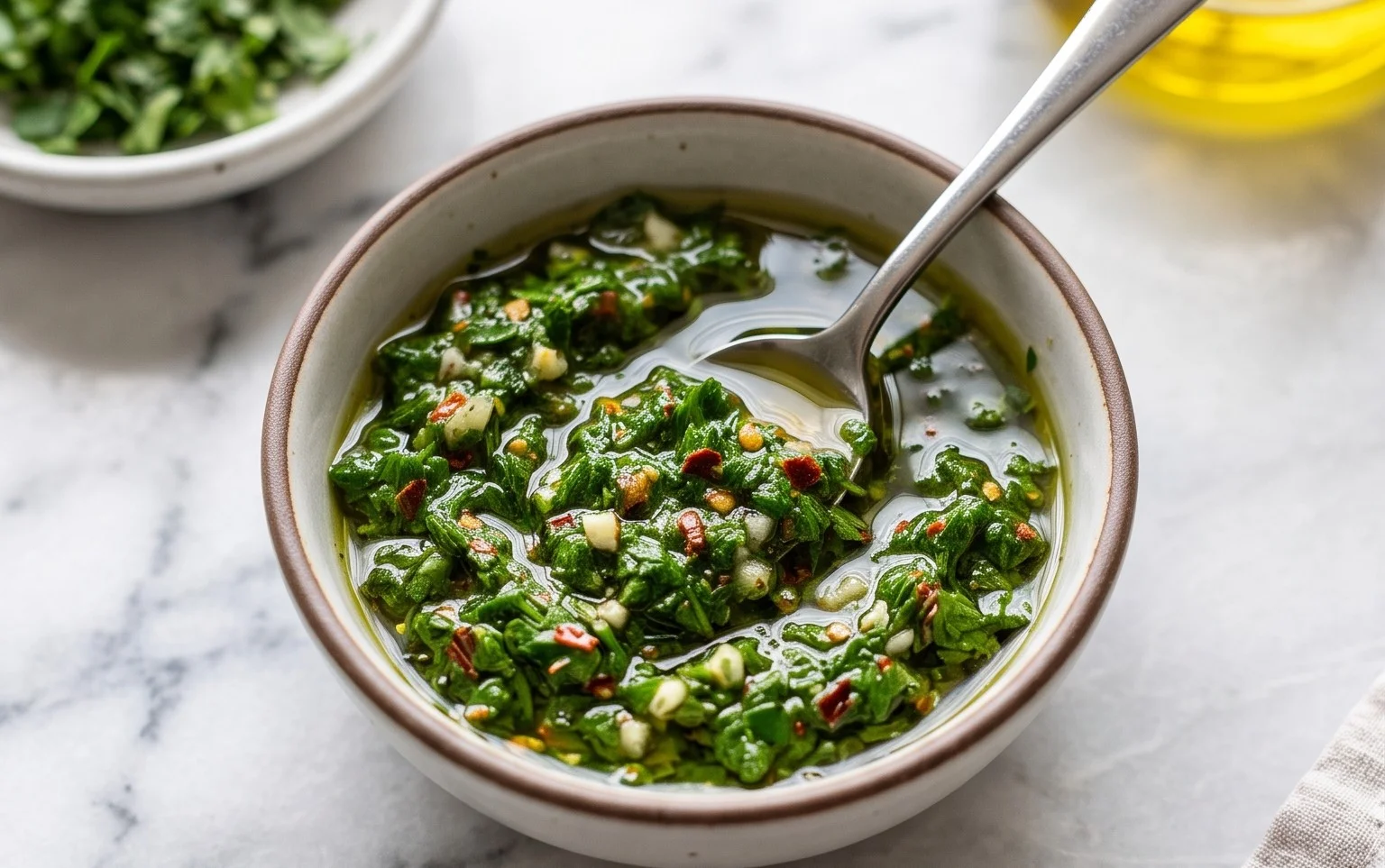
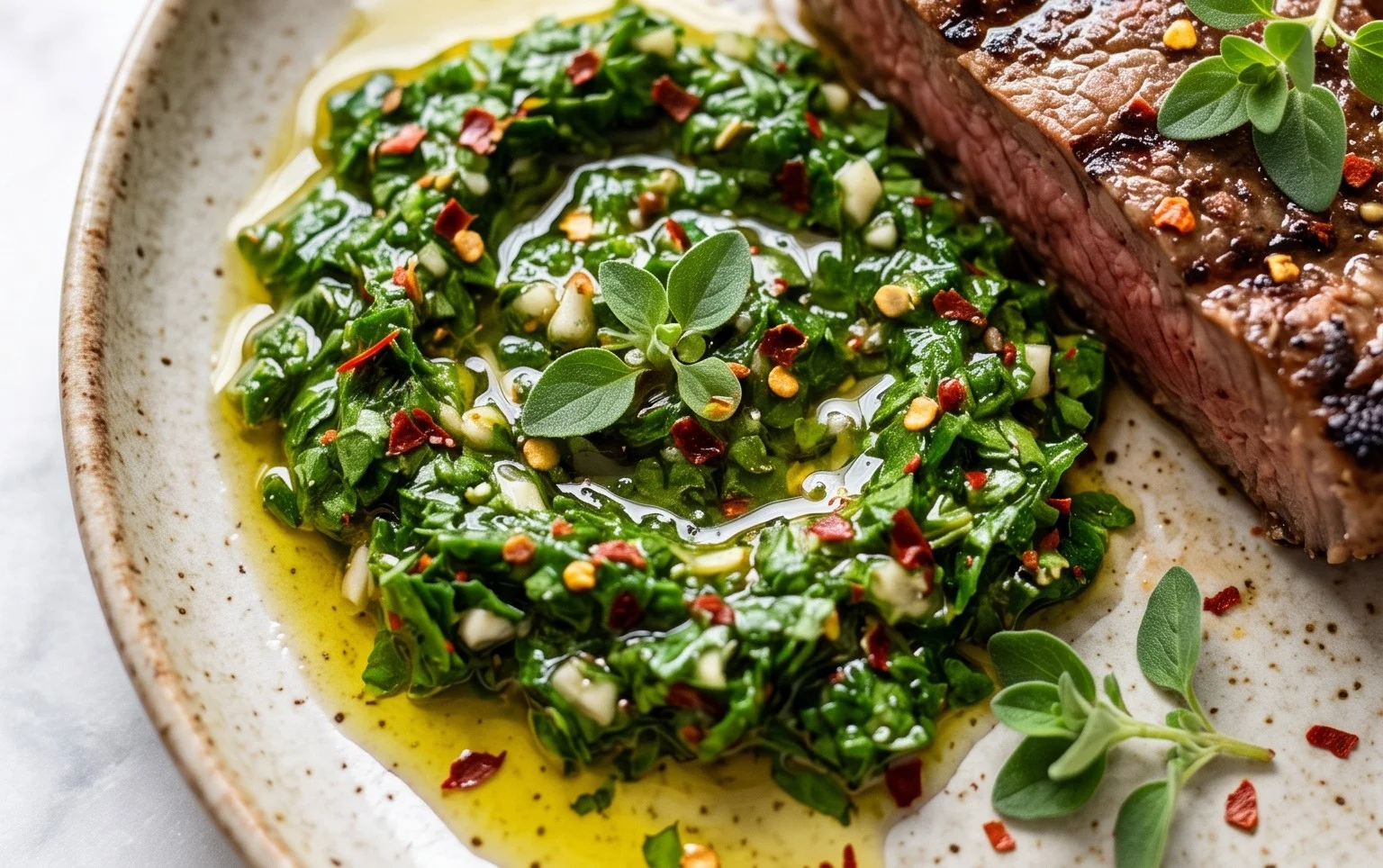
Chimichurri Sauce Recipe: The vibrant, herbaceous, and utterly addictive sauce that’s about to become your new best friend in the kitchen! Forget bland marinades and uninspired toppings; this Argentinian classic is a flavor explosion waiting to happen. What makes chimichurri so beloved? It’s that incredible balance of fresh parsley, zesty garlic, and a gentle kick of chili, all unified by tangy vinegar and good quality olive oil. It’s the secret weapon that transforms grilled meats into culinary masterpieces, but its magic doesn’t stop there. This versatile Chimichurri Sauce Recipe is equally phenomenal drizzled over roasted vegetables, dolloped onto fish, or even used as a dip for crusty bread. It’s the kind of sauce that makes you want to lick the plate clean, and once you’ve tasted its bright, herbaceous goodness, you’ll understand why everyone is obsessed.
Chimichurri Sauce Recipe
There are few sauces as vibrant, flavorful, and versatile as chimichurri. This bright, herbaceous Argentinian condiment is a game-changer for anything from grilled meats to roasted vegetables, and even as a dip for crusty bread. Its fresh, zesty profile cuts through richness, adding a punch of flavor that’s simply irresistible. Forget store-bought; making your own chimichurri is incredibly easy, and the taste difference is phenomenal. It’s the perfect way to elevate your everyday cooking and impress your guests.
The beauty of chimichurri lies in its simplicity. It’s a no-cook sauce, relying on the freshness of its ingredients to shine. This means minimal prep time and maximum flavor. I love having a jar of this in my fridge, ready to transform a simple steak dinner or liven up a weeknight salad. The combination of fresh herbs, garlic, and vinegar creates a complex yet balanced taste that is both refreshing and satisfying.
Ingredients:
Instructions:
1. Prepare the Herbs and Aromatics: The foundation of a truly great chimichurri is fresh, vibrant herbs. Start by carefully washing and thoroughly drying your parsley, cilantro, and oregano. It’s crucial to remove as much moisture as possible to prevent the sauce from becoming watery. The stems of parsley can be a bit tough and fibrous, so take the time to pick only the leaves. For cilantro and oregano, while their stems are generally more tender, it’s still a good practice to remove any overly thick or woody pieces to ensure a smoother sauce. Once your herbs are prepped, give them a rough chop. Don’t worry about making them perfectly fine at this stage, as they will be further processed. Next, finely chop your red onion or shallots. I prefer red onion for its slightly sharper bite and vibrant color, but shallots offer a more mellow sweetness if that’s your preference. Peel your garlic cloves. The amount of garlic is a matter of personal preference, but three cloves provide a good, robust garlic flavor without being overpowering. I like to give the garlic a preliminary mince as well. For the red pepper flakes, this is where you can adjust the heat. If you like a spicier chimichurri, feel free to add a little more. If you prefer it mild, start with 1/2 teaspoon and taste later.
2. Combine the Dry Ingredients: In a medium-sized bowl or in the bowl of a food processor, combine your chopped fresh parsley, cilantro, oregano, red onion (or shallots), minced garlic, and red pepper flakes. If you are using a food processor, you’ll want to pulse these ingredients a few times until they are finely chopped. The goal is to get everything broken down into small, consistent pieces. If you’re working by hand with a knife, aim for a fine mince. The finer the chop, the more evenly the flavors will meld together. This initial step ensures that the herbs and aromatics are well distributed before you add the liquids.
3. Emulsify with Liquids: Now it’s time to bring it all together. Slowly drizzle in the extra-virgin extract olive oil. Use a good quality olive oil as its flavor will be prominent. If you’re using a food processor, you can do this with the motor running on low, or if you’re mixing by hand, whisk continuously as you add the oil. Next, add the red grape juice vinegar. I find red grape juice vinegar gives a beautiful subtle fruity note and a lovely color to the chimichurri, but red grape juice vinegar is a perfectly acceptable substitute if you don’t have it on hand. Follow this with the fresh lemon juice. The lemon juice adds a crucial bright, acidic counterpoint that lifts all the other flavors. Whisk everything together vigorously until the sauce begin extracts to emulsify, meaning the oil and vinegar have combined to create a cohesive sauce. It will have a lovely thick, yet pourable consistency.
4. Season and Rest: The final touch to perfect your chimichurri is seasoning. Add the kosher salt. Kosher salt is preferred for its flaky texture and clean taste. Stir everything thoroughly to ensure the salt is evenly distributed. Now comes the most important part for developing the fullest flavor: letting it rest. Cover the bowl or transfer the chimichurri to an airtight container and refrigerate for at least 30 minutes. This resting period allows all the flavors to meld and deepen. The herbs will infuse the oil and vinegar, and the garlic and onion will mellow slightly, creating a more complex and harmonious sauce. You’ll notice a significant difference in flavor after this resting period compared to making it and serving it immediately.
5. Taste and Adjust: After the resting period, give your chimichurri a good stir. This is also the opportune moment to taste and make any necessary adjustments. Does it need a little more salt to bring out the flavors? Perhaps a touch more acidity from the lemon juice or vinegar to brighten it up? If you desire more heat, you can always stir in a few more red pepper flakes. This is your chance to tailor the chimichurri to your exact taste preferences. Once you’re happy with the flavor profile, your chimichurri is ready to be served. It will keep in an airtight container in the refrigerator for up to a week, and its flavor often improves on the second day.
Enjoy this versatile sauce drizzled over grilled steaks, chicken, fish, or roasted vegetables. It’s also fantastic as a marinade or a flavorful addition to sandwiches and dips.
Conclusion:
There you have it! My go-to recipe for vibrant and incredibly flavorful Chimichurri sauce. This recipe is fantastic because it’s so fresh, herbaceous, and surprisingly easy to whip up, transforming even the simplest dishes into something special. The bright parsley and oregano, pungent garlic, and zesty vinegar create a beautiful balance that’s both tangy and savory. I love using it as a marinade, a finishing sauce, or even a salad dressing. The possibilities are truly endless!
This classic Argentinian sauce is a perfect partner for grilled meats like steak and chicken, but don’t stop there! It’s also incredible drizzled over roasted vegetables, grilled fish, or even stirred into a bowl of quinoa. For a little twist, consider adding a pinch of red pepper flakes for a touch of heat, or a bit of fresh mint alongside the parsley for an extra layer of refreshing flavor. I truly encourage you to give this Chimichurri sauce recipe a try. It’s a game-changer for your culinary repertoire and I promise, you’ll find yourself reaching for it again and again!
Frequently Asked Questions:
How long does Chimichurri sauce last?
You can store your fresh Chimichurri sauce in an airtight container in the refrigerator for up to a week. The flavors tend to meld and deepen over time, so it might even taste better on the second day!
Can I make Chimichurri sauce ahead of time?
Absolutely! In fact, making it a few hours or even a day in advance is ideal. This allows the herbs and garlic to infuse into the olive oil and vinegar, creating a more harmonious and potent flavor profile. Just give it a good stir before serving.
What’s the best way to chop the herbs?
For the best texture and flavor, I recommend finely chopping the fresh herbs by hand rather than using a food processor. This prevents the herbs from becoming bruised and mushy, ensuring a vibrant green color and distinct herbaceous notes in your Chimichurri sauce.
Chimichurri Sauce Recipe
A vibrant and herbaceous Argentinian sauce perfect for grilled meats and vegetables.
Ingredients
-
1 cup fresh Italian flat-leaf parsley, leaves only, stems removed
-
1/4 cup fresh cilantro, leaves only, stems removed
-
1/4 cup fresh oregano, leaves only, stems removed
-
1/3 cup roughly chopped red onion
-
3 cloves garlic, peeled
-
1/2 teaspoon red pepper flakes
-
1/2 cup extra-virgin olive oil
-
1/4 cup red grape juice vinegar
-
3 tablespoons fresh lemon juice
-
1 teaspoon kosher salt
Instructions
-
Step 1
Finely chop the parsley, cilantro, and oregano. -
Step 2
Mince the red onion and garlic. -
Step 3
In a medium bowl, combine the chopped herbs, red onion, garlic, and red pepper flakes. -
Step 4
Whisk in the extra-virgin olive oil, red grape juice vinegar, and fresh lemon juice. -
Step 5
Stir in the kosher salt. Taste and adjust seasoning if needed. -
Step 6
Let the sauce sit for at least 15 minutes to allow the flavors to meld.
Important Information
Nutrition Facts (Per Serving)
It is important to consider this information as approximate and not to use it as definitive health advice.
Allergy Information
Please check ingredients for potential allergens and consult a health professional if in doubt.