Easy Pasta Primavera Recipe – Fresh Spring Veggies
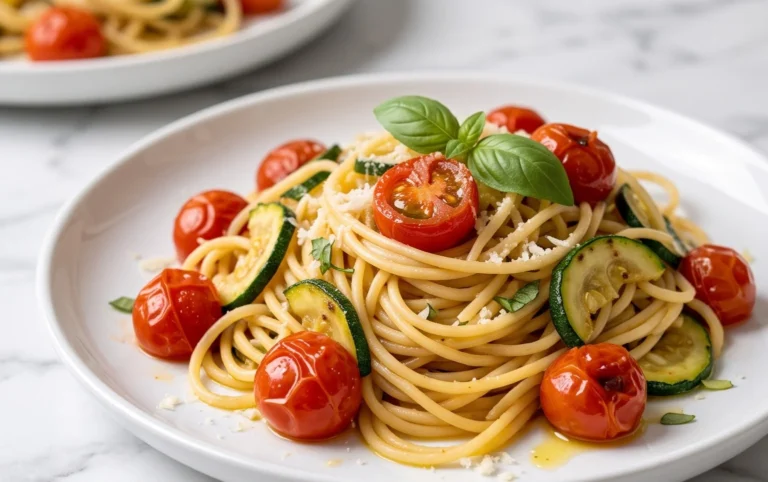
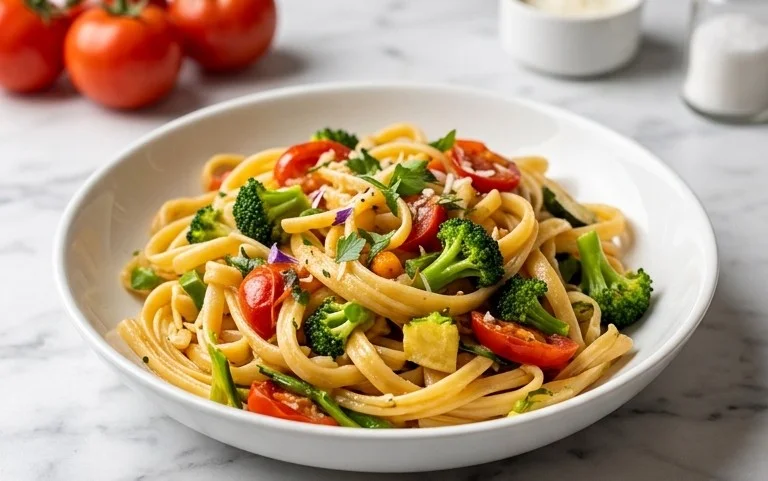
Pasta Primavera is more than just a pasta dish; it’s a vibrant celebration of spring on a plate! When the first tendrils of green start to unfurl and the farmers markets burst with color, my mind immediately turns to this delightful creation. What is it about Pasta Primavera that captures our hearts and palates? It’s the sheer joy of fresh, seasonal vegetables, kissed by a light, flavorful sauce and tossed with perfectly cooked pasta. This dish is incredibly versatile, allowing us to showcase the best of what’s in season, from crisp asparagus and sweet peas to tender zucchini and juicy cherry tomatoes. It’s a dish that feels both elegant enough for a dinner party and comforting enough for a weeknight meal. The beauty of Pasta Primavera lies in its simplicity and the way it allows the natural sweetness and textures of the vegetables to truly shine, proving that sometimes, the most exquisite meals come from the freshest ingredients.
Pasta Primavera
Pasta Primavera, meaning “spring pasta,” is a vibrant and delightful dish that celebrates the fresh flavors of spring vegetables. It’s the perfect way to brighten up your weeknight meals, offering a healthy and satisfying option that’s surprisingly easy to make. This recipe is all about showcasing the natural sweetness and crisp textures of a colorful medley of vegetables tossed with perfectly cooked pasta. The beauty of Primavera is its versatility; you can absolutely adapt it to your favorite seasonal produce. However, this particular rendition focuses on a classic combination that’s sure to please.
Ingredients:
Cooking Instructions:
1. Preparing the Pasta and Vegetables
The first step to a beautiful Pasta Primavera is to get your ingredients ready. I like to do all my chopping and prepping before I even turn on the stove. This way, once the pasta is cooking and the vegetables are being sautéed, I can seamlessly add them to the pan without rushing. Start by bringin extractg a large pot of generously salted water to a rolling boil. You want the water to be as salty as the sea because this is your primary opportunity to season the pasta itself. Add your 10 oz. of Barilla Penne Pasta and cook according to package directions until it’s al dente. This means it should still have a slight bite to it. While the pasta is cooking, prepare all your vegetables. Slice the red onion thinly. Peel the carrot and cut it into thin matchsticks. Cut the broccoli florets into bite-sized pieces that are roughly the same size as matchsticks, so they cook evenly with the other vegetables. Slice the red bell pepper into matchsticks as well. For the yellow squash and zucchini, slice them into quarter portions lengthwise, then slice those portions into half-moon shapes. Mince your garlic cloves. Halve the grape tomatoes through their length. Having everything prepped and ready to go is key to a stress-free and successful Pasta Primavera.
2. Sautéing the Aromatics and Harder Vegetables
Once your pasta is about 5-7 minutes away from being done, it’s time to start building the flavor base for your Primavera. Heat 1/4 cup of olive oil in a large skillet or sauté pan over medium-high heat. Add the sliced red onion and sauté for about 2-3 minutes until it begin extracts to soften and become translucent. Next, add the carrot matchsticks and the broccoli florets. These are the firmer vegetables that will require a little more cooking time. Stir them around in the hot oil and cook for about 5 minutes, stirring occasionally, until they start to turn tender-crisp. You want them to retain a slight crunch, as they will continue to cook slightly with the other ingredients. This initial sautéing helps to bring out their natural sweetness and develops a lovely depth of flavor.
3. Adding Softer Vegetables and Flavor Boosters
Now that the harder vegetables have had a head start, it’s time to introduce the softer ones and ramp up the flavor. Add the sliced red bell pepper, yellow squash, and zucchini to the skillet. Continue to cook for another 3-4 minutes, stirring frequently, until these vegetables are also tender-crisp. You’re aiming for a delightful mix of textures, not a mushy pile of overcooked veggies. This is also the perfect moment to add the minced garlic and the 2 tsp of dried Italian seasoning. Stir everything together and cook for just about 1 minute more, until the garlic is fragrant. Be careful not to burn the garlic, as it can turn bitter. Finally, toss in the halved grape tomatoes. These will soften and release some of their juices, adding a touch of sweetness and acidity to the dish.
4. Bringin extractg it All Together: The Pasta and Sauce Creation
By now, your pasta should be perfectly al dente. Before you drain it, carefully scoop out about 1/2 cup of the starchy pasta water and set it aside. This magical liquid is crucial for creating a light, emulsified sauce that coats the pasta and vegetables beautifully. Drain the penne pasta and immediately add it directly to the skillet with the sautéed vegetables. Toss everything together to combine. Now, pour in the reserved 1/2 cup of pasta water and the 2 Tbsp of fresh lemon juice. The lemon juice adds a bright, zesty finish that cuts through the richness of the olive oil and cheese. Stir vigorously. The starch from the pasta water will combine with the olive oil and lemon juice to create a light, glossy sauce that clings to every piece of pasta and vegetable.
5. Finishing Touches and Serving
Continue to stir and toss everything for another 1-2 minutes, allowing the sauce to thicken slightly and coat all the ingredients. This also ensures that everything is heated through. Remove the skillet from the heat. Now it’s time for the cheese! Add about half of the 1/2 cup of shredded parmesan to the pan and stir until it’s mostly melted and incorporated into the sauce. Taste the pasta and season with additional salt and freshly ground black pepper if needed. Remember, the pasta water was salted, so you might not need much. Serve the Pasta Primavera immediately in bowls. Garnish each serving with the remaining shredded parmesan cheese. The vibrant colors and fresh aroma of this dish are a true testament to the joys of spring. Enjoy this light, flavorful, and incredibly satisfying meal!
Conclusion:
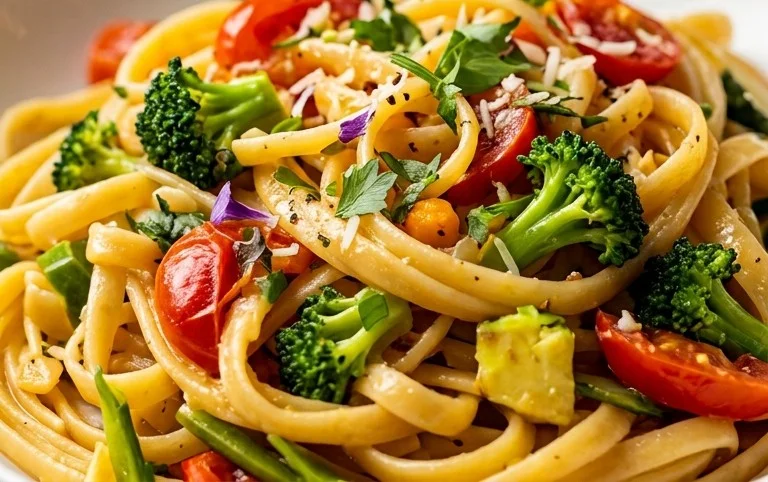
And there you have it! My Pasta Primavera recipe is more than just a meal; it’s a vibrant celebration of fresh, seasonal ingredients that burst with flavor and color. It’s incredibly versatile, making it perfect for a quick weeknight dinner or a lovely, light lunch. The beauty of this dish lies in its simplicity and the ability to adapt it to your preferences. Don’t be afraid to experiment with different vegetables or even add a protein for a heartier meal.
I truly encourage you to give this Pasta Primavera a try. You’ll be amazed at how satisfying and delicious such a wholesome dish can be. It’s a fantastic way to incorporate more vegetables into your diet without sacrificing taste.
Frequently Asked Questions:
Can I use frozen vegetables in my Pasta Primavera?
Absolutely! While fresh is always wonderful, frozen vegetables are a great substitute, especially when out of season. Simply add them to the boiling pasta water during the last few minutes of cooking, or sauté them separately before adding them to the sauce. This helps retain their vibrant color and texture.
What kind of pasta works best with Pasta Primavera?
Most pasta shapes work well. I personally love using long pasta like spaghetti or linguine, as the sauce and vegetables cling nicely. However, short pasta shapes like penne, farfalle (bow-ties), or rotini are also excellent choices and are great for catching all those delicious bits of vegetables.
How can I make this Pasta Primavera recipe vegan?
Making this dish vegan is quite straightforward! Simply omit the Parmesan cheese. You can substitute it with nutritional yeast for a cheesy flavor, or a drizzle of good quality olive oil will also enhance the richness. Ensure your pasta itself is egg-free.
Pasta Primavera
A vibrant and healthy pasta dish featuring a medley of fresh spring vegetables.
Ingredients
-
10 oz. dry Barilla Penne Pasta
-
Salt
-
1/4 cup olive oil
-
1/2 medium red onion, sliced
-
1 large carrot, peeled and sliced into matchsticks
-
2 cups broccoli florets, cut into matchsticks
-
1 medium red bell pepper, sliced into matchsticks
-
1 medium yellow squash, sliced into quarter portions
-
1 medium zucchini, sliced into quarter portions
-
3 – 4 cloves garlic cloves, minced
-
1 cup heaping grape tomatoes, halved through the length
-
2 tsp dried Italian seasoning
-
1/2 cup pasta water
-
2 Tbsp fresh lemon juice
-
1/2 cup shredded parmesan, divided
Instructions
-
Step 1
Cook Barilla Penne Pasta according to package directions in salted boiling water. Reserve 1/2 cup of pasta water before draining. -
Step 2
While pasta cooks, heat olive oil in a large skillet or Dutch oven over medium heat. -
Step 3
Add sliced red onion and carrot matchsticks to the skillet and sauté for 3-4 minutes until slightly softened. -
Step 4
Add broccoli florets, red bell pepper matchsticks, yellow squash, and zucchini to the skillet. Cook for another 5-7 minutes, stirring occasionally, until vegetables are tender-crisp. -
Step 5
Stir in minced garlic and dried Italian seasoning and cook for 1 minute until fragrant. -
Step 6
Add the halved grape tomatoes to the skillet and cook for 1-2 minutes, until they just begin to soften. -
Step 7
Add the drained pasta to the skillet with the vegetables. Pour in the reserved pasta water and fresh lemon juice. Toss to combine. -
Step 8
Stir in 1/4 cup of the shredded parmesan. Season with salt to taste. Continue to toss until the sauce lightly coats the pasta and vegetables. -
Step 9
Serve immediately, garnished with the remaining 1/4 cup of shredded parmesan.
Important Information
Nutrition Facts (Per Serving)
It is important to consider this information as approximate and not to use it as definitive health advice.
Allergy Information
Please check ingredients for potential allergens and consult a health professional if in doubt.