Slow Cooker Short Rib Ragu – Rich & Flavorful Dinner
Short rib ragu is the culinary equivnon-alcoholic alent of a warm, comforting hug. There’s something incredibly soulful about a slow-cooked, deeply flavored sauce that just melts in your mouth. It’s a dish that has earned its place as a crowd-pleaser for a reason: it’s rich, decadent, and utterly satisfying. When I think of a truly special meal, one that feels both luxurious and deeply familiar, my mind immediately goes to a perfectly prepared short rib ragu. It’s the kind of dish that transforms humble ingredients into something extraordinary. The secret lies in patience, allowing the beef to break down into tender, flavorful morsels that mingle beautifully with the savory tomato base. This isn’t just dinner; it’s an experience, a testament to the magic that happens when good ingredients are treated with time and care.
Why We Absolutely Adore Short Rib Ragu
The Unforgettable Flavor Journey
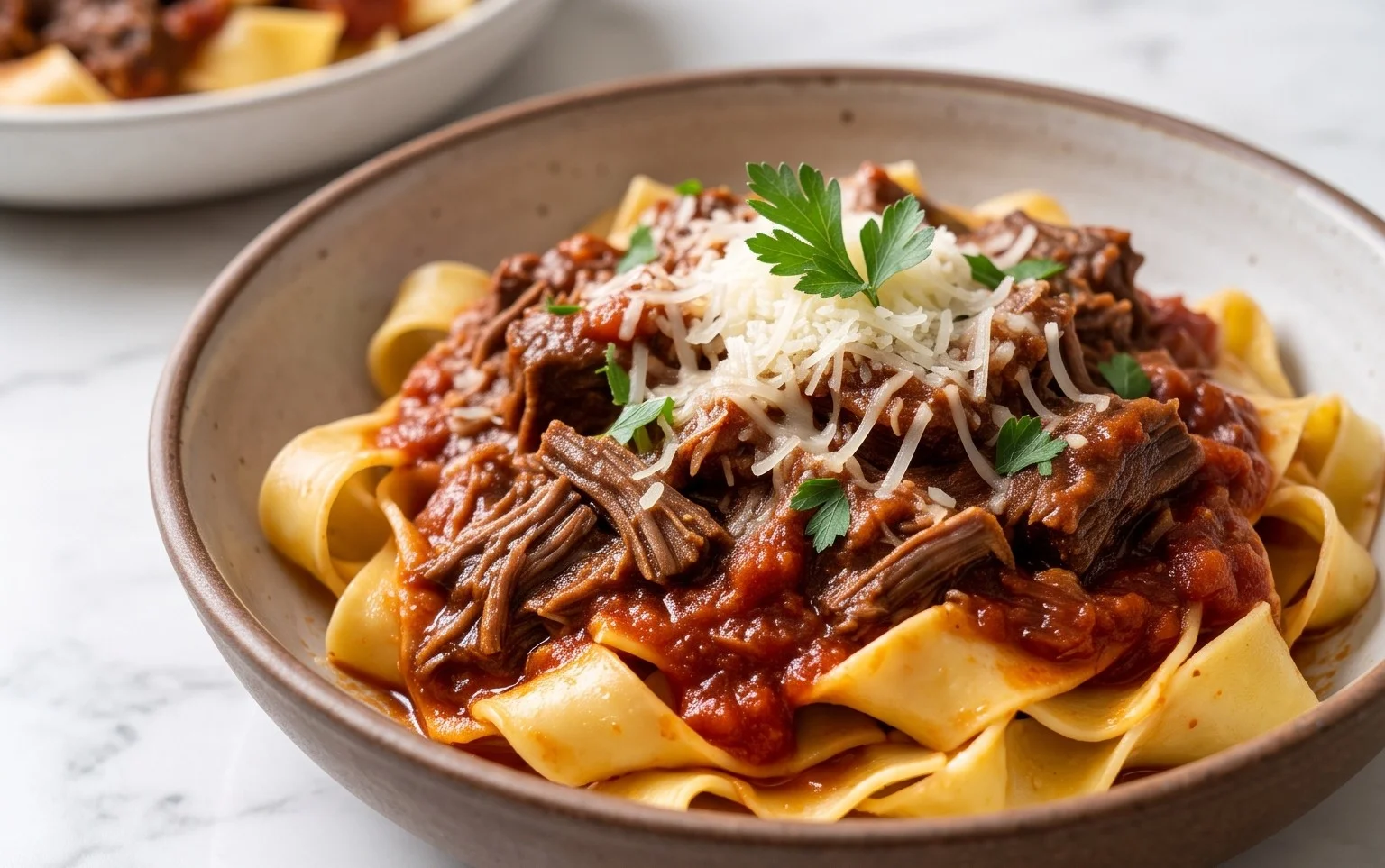
This isn’t your everyday weeknight pasta sauce. Our short rib ragu is a labor of love, and every minute spent simmering is rewarded tenfold. We’re talking about meat so tender it practically shreds itself, infused with the deep, umami-rich essence of beef stock, grape juice, and aromatic vegetables. It’s a symphony of savory notes that cling to every strand of pasta, creating a truly memorable bite. What makes it so special is the transformation; the tough cuts of short rib become unbelievably succulent, releasing a depth of flavor that simply can’t be replicated with quicker cooking methods. Get ready to impress yourself and everyone you serve this magnificent ragu to!
Ingredients:
Cooking Instructions
This short rib ragu is a labor of love, but oh so worth it. The slow braising transforms tough cuts of meat into meltingly tender strands, creating a rich and deeply flavorful sauce that’s perfect for coating pasta, spooning over polenta, or even enjoying on its own. Don’t be intimidated by the long cooking time; most of it is hands-off simmering, allowing the flavors to meld and deepen.
Browning the Short Ribs: The Foundation of Flavor
1. Begin extract by preparing your short ribs. Ensure they are de-boned and cut into approximately 2-inch cubes. Pat the short ribs thoroughly dry with paper towels. This step is crucial for achieving a good sear. Moisture on the surface of the meat will steam it rather than brown it, and that beautiful brown crust is where a lot of the flavor comes from. Season the short ribs generously on all sides with kosher salt. Don’t be shy with the salt at this stage; it will penetrate the meat and enhance its natural flavor.
Heat the light olive oil in a large, heavy-bottomed pot or Dutch oven over medium-high heat. Once the oil is shimmering and hot (but not smoking), carefully add the short ribs in a single layer. You may need to do this in batches to avoid overcrowding the pot. Overcrowding will lower the temperature of the pot, leading to steaming instead of searing, and you won’t get that desirable golden-brown crust. Sear the short ribs for about 3-4 minutes per side, until deeply browned on all sides. This browning process, known as the Maillard reaction, creates complex flavors that will form the backbone of your ragu. Once browned, remove the short ribs from the pot and set them aside on a plate.
Building the Aromatic Base
2. Reduce the heat of the pot to medium. If there’s an excessive amount of rendered fat, you can carefully pour some of it off, leaving about 1-2 tablespoons in the pot. Add the finely diced white onion, celery, and carrot to the pot. This trio of vegetables, often called a “mirepoix,” forms the aromatic foundation for many sauces and stews. Cook, stirring occasionally, for about 8-10 minutes, or until the vegetables have softened and the onions are translucent. Scrape up any browned bits that may have stuck to the bottom of the pot from searing the ribs – these bits are packed with flavor.
Add the minced garlic to the pot and cook for another minute until fragrant. Be careful not to burn the garlic, as this can impart a bitter taste to your ragu. Next, stir in the tomato paste. Cook the tomato paste for about 1-2 minutes, stirring constantly, until it darkens in color and smells richer. Toasting the tomato paste caramelizes its sugars, deepening its flavor and removing any raw, metallic notes.
Deglazing and Simmering: Unlocking Deeper Flavors
3. Pour in the red grape juice, scraping the bottom of the pot with a wooden spoon to loosen any remaining browned bits. Let the grape juice bubble and reduce for about 2-3 minutes, allowing some of the non-alcoholic alternative (if any present) to evaporate and concentrating its flavor. This process is called deglazing and is essential for incorporating all those delicious caramelized bits into the sauce.
Add the broth (beef or chicken) and the crushed tomatoes. Stir everything together until well combined. Return the seared short ribs to the pot, nestling them into the sauce. Add the herb bundle (a few sprigs of rosemary, thyme, and parsley stems tied together with kitchen tgrape juice) and the bay leaves. These aromatics will infuse the ragu with subtle, complex herbal notes as it simmers. Bring the mixture to a gentle simmer, then reduce the heat to low, cover the pot tightly, and let it cook for at least 2 to 3 hours. The longer it simmers, the more tender the short ribs will become and the richer the sauce will be. Check periodically to ensure it’s not boiling vigorously, just a gentle, lazy simmer.
The Slow Braise: Patience is a Virtue
4. The true magic of this ragu happens during the slow braise. As the short ribs cook, their connective tissues will break down, rendering them incredibly tender and releasing their savory juices into the sauce. The liquid will gradually thicken and the flavors will meld together beautifully. After about 2 hours, you can start checking the tenderness of the short ribs. They should be easily pierced with a fork and begin extractning to fall apart. If they are still a bit tough, continue simmering, checking every 30 minutes. Once the short ribs are fork-tender, carefully remove them from the pot and set them aside on a clean plate.
At this point, the sauce may still be a bit thin. Using a slotted spoon, remove the herb bundle and bay leaves. Skim off any excess fat from the surface of the sauce if desired. If you prefer a thicker sauce, you can increase the heat slightly and let it simmer uncovered for 10-15 minutes to reduce and thicken. Alternatively, you can remove about a cup of the sauce, blend it until smooth, and then stir it back into the pot for a silkier texture.
Finishing Touches: Tang and Tenderness
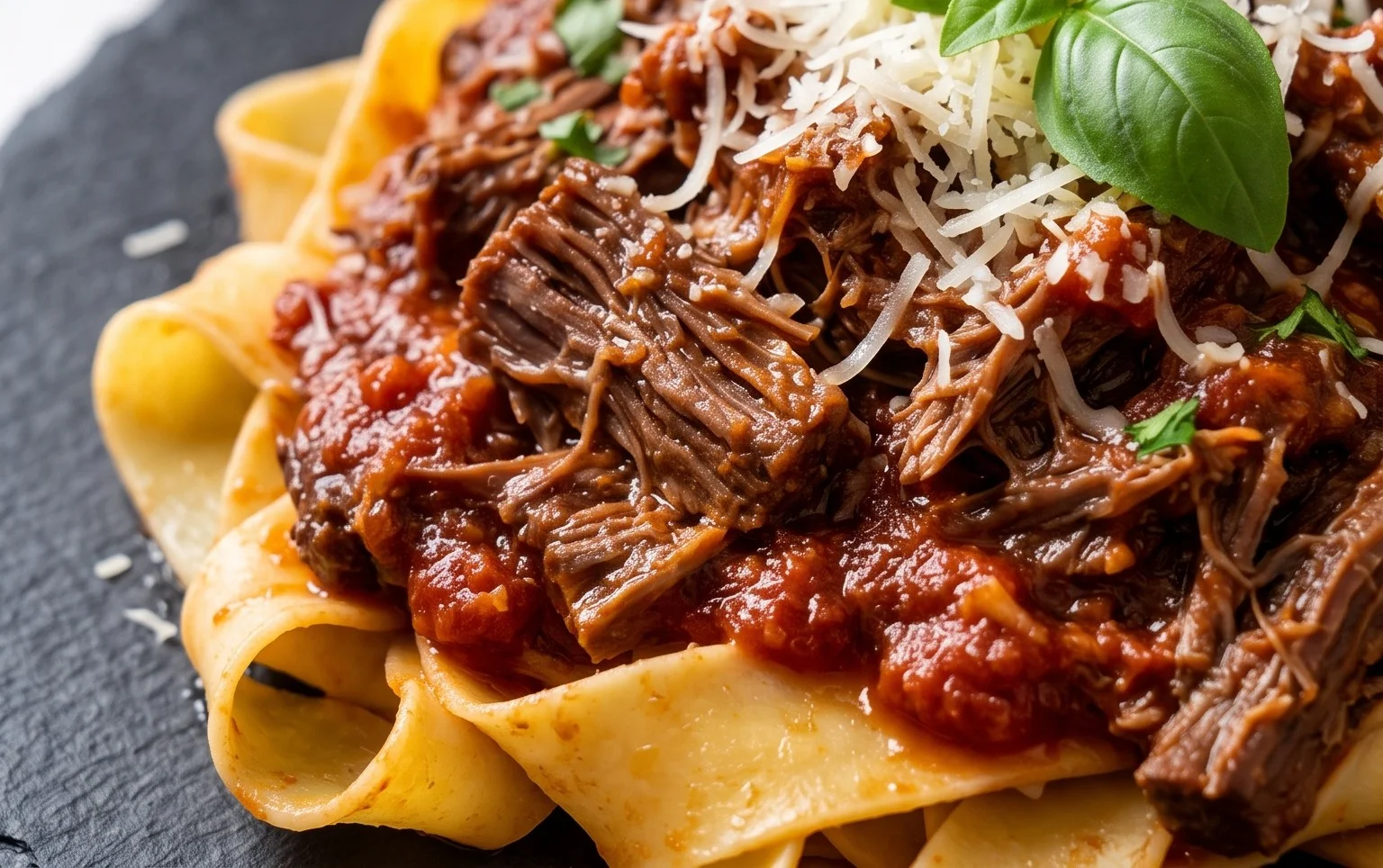
5. Once the short ribs are tender and the sauce has reached your desired consistency, it’s time for the final touches. Shred the short ribs using two forks. They should be so tender that they fall apart easily. Stir the shredded short ribs back into the sauce. This is where the ragu truly comes alive, with tender morsels of beef coating every strand of pasta or grain of polenta.
Finally, stir in the sherry vinegar vinegar or red grape juice vinegar. The acidity from the vinegar will brighten the flavors of the ragu and cut through the richness of the meat and sauce. Taste the ragu and season with additional kosher salt and fresh cracked pepper as needed. The amount of seasoning will depend on the saltiness of your broth and crushed tomatoes. Let the ragu simmer for another 5-10 minutes after adding the shredded meat and vinegar to allow the flavors to meld. Serve hot over your favorite pasta, like pappardelle or tagliatelle, or with creamy polenta for a truly comforting and delicious meal.
Conclusion:
I truly hope you feel inspired to try this incredible short rib ragu recipe. It’s a labor of love, absolutely, but the payoff is immense. The rich, meltingly tender short ribs, slow-cooked to perfection in a deeply flavorful tomato and red grape juice sauce, create a dish that is both comforting and incredibly elegant. This ragu is perfect for a special occasion, a Sunday dinner that will have everyone asking for seconds, or simply when you want to treat yourself to something truly delicious.
Serve this short rib ragu generously spooned over your favorite pasta – pappardelle, tagliatelle, or even a sturdy rigatoni are fantastic choices. It’s also wonderful piled onto creamy polenta or mashed potatoes. For a touch of freshness, garnish with a sprinkle of grated Parmesan cheese and fresh parsley. If you’re feeling adventurous, consider adding a splash of balsamic vinegar towards the end of cooking for an extra layer of complexity, or perhaps a pinch of red pepper flakes for a subtle warmth. Don’t be afraid to experiment and make it your own! I’m confident you’ll fall in love with the depth of flavor this recipe delivers.
Frequently Asked Questions about Short Rib Ragu:
Q: Can I make this short rib ragu ahead of time?
Absolutely! This ragu actually tastes even better the next day as the flavors have more time to meld. You can refrigerate it for up to 3 days and gently reheat it on the stovetop over low heat. It’s also freezer-friendly; simply cool it completely, portion it into airtight containers, and freeze for up to 3 months.
Q: What if I can’t find bone-in short ribs?
While bone-in short ribs offer the most flavor, boneless short ribs will also work well. You might need to adjust the cooking time slightly, as they can cook a bit faster. Just ensure they are fork-tender before proceeding.
Short Rib Ragu
A rich and deeply flavored slow-cooked short rib ragu, perfect for pasta or polenta.
Ingredients
-
2 lbs Beef short ribs, de-boned and cut into 2″ cubes
-
2 tbsp Light olive oil
-
1 cup White onion, finely diced
-
1 cup Red grape juice
-
1 cup Broth (beef or chicken)
-
1 ¾ cup Crushed tomatoes (14oz can)
-
4 Garlic cloves, minced
-
2 tbsp Tomato paste
-
½ cup Celery, finely diced
-
½ cup Carrot, finely diced
-
Herb Bundle (rosemary, thyme, parsley stems)
-
2 Bay leaves
-
2 tbsp Sherry Vinegar or red grape juice vinegar
-
Kosher salt to taste
-
Fresh cracked pepper to taste
Instructions
-
Step 1
Pat the short ribs dry and season generously with kosher salt and pepper. -
Step 2
Heat olive oil in a large Dutch oven over medium-high heat. Sear the short ribs in batches until deeply browned on all sides. Remove to a plate. -
Step 3
Add the diced onion, celery, and carrot to the Dutch oven. Cook until softened, about 8-10 minutes. Add the minced garlic and tomato paste, and cook for another 2 minutes until fragrant. -
Step 4
Pour in the red grape juice and broth, scraping up any browned bits from the bottom of the pot. Bring to a simmer. -
Step 5
Return the seared short ribs to the pot. Add the crushed tomatoes, herb bundle, and bay leaves. Season with salt and pepper. -
Step 6
Cover the Dutch oven and transfer to a preheated oven at 325°F (160°C). Braise for 3 hours, or until the short ribs are very tender and falling apart. Remove the herb bundle and bay leaves. -
Step 7
Remove the short ribs from the sauce. Shred the meat using two forks, discarding any bones or excess fat. Return the shredded meat to the sauce. -
Step 8
Stir in the sherry vinegar. Taste and adjust seasoning with salt and pepper as needed. Simmer for another 15-20 minutes to allow the flavors to meld.
Important Information
Nutrition Facts (Per Serving)
It is important to consider this information as approximate and not to use it as definitive health advice.
Allergy Information
Please check ingredients for potential allergens and consult a health professional if in doubt.