Fluffy Cottage Cheese Pancakes- Easy & Delicious Recipe
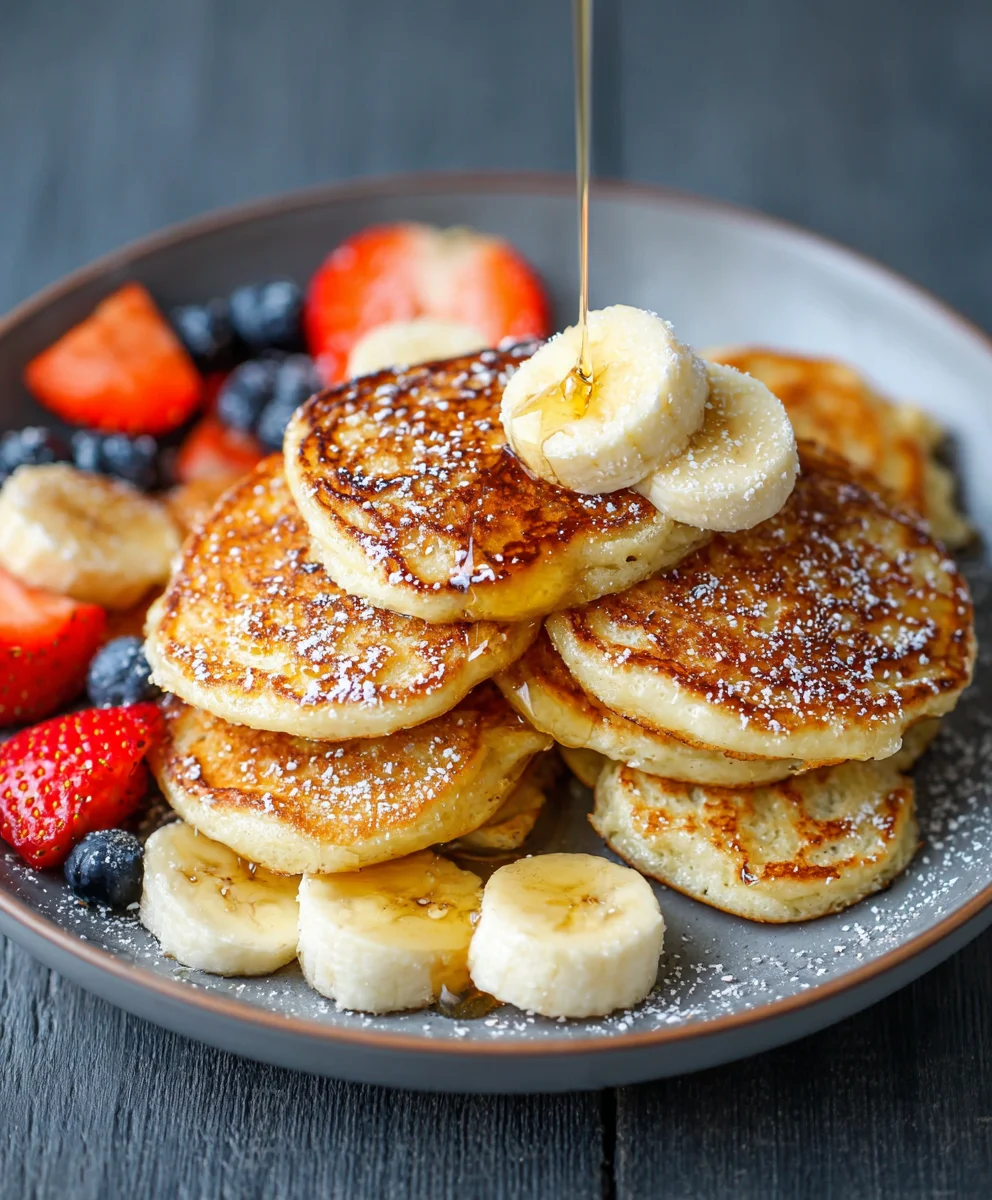
Cottage Cheese Pancakes are a breakfast revelation, offering a delightful twist on a classic that’s both nourishing and incredibly satisfying. If you’re searching for a way to elevate your morning routine with something truly special, look no further. These aren’t your average flour-heavy griddle cakes; they’re infused with the protein-rich goodness of cottage cheese, creating a texture that’s wonderfully tender and a flavor profile that’s subtly tangy yet perfectly balanced. People adore cottage cheese pancakes because they deliver a substantial, guilt-free start to the day, keeping you fuller for longer without sacrificing that comforting breakfast feeling. What sets them apart is their unique ability to be both light and airy, while simultaneously offering a delightful creaminess. It’s a simple ingredient swap that transforms a familiar favorite into something extraordinary, making these cottage cheese pancakes a must-try for anyone seeking a delicious and wholesome breakfast experience.
Ingredients:
- 1 1/2 cups cottage cheese
- 4 large eggs
- 1 teaspoon vanilla extract
- 2 tablespoons granulated sugar
- 1 tablespoon baking powder
- 1 cup all-purpose flour
- 1/4 cup canola oil, for frying
Preparing the Pancake Batter
Let’s get started on these delightful Cottage Cheese Pancakes! The key to their wonderfully tender and moist texture lies in the creamy cottage cheese, which not only adds a subtle tang but also acts as a fantastic binder, reducing the need for excessive flour. We’ll begin extract by combining our wet ingredients to create a smooth and luscious base for our pancake batter.
-
Step 1: Blend the Wet Ingredients
In a medium-sized mixing bowl, combine the 1 1/2 cups of cottage cheese and the 4 large eggs. You can use either full-fat or low-fat cottage cheese, depending on your preference, though full-fat will yield a richer pancake. Using an immersion blender or a regular blender is highly recommended here to achieve a perfectly smooth consistency. This step is crucial for eliminating any lumps of cottage cheese, ensuring your pancakes have a uniform texture. Blend until the mixture is completely smooth and no visible curds remain. If you don’t have a blender, you can vigorously whisk the cottage cheese and eggs together with a fork or a whisk, but be prepared for a slightly less uniform texture. Add the 1 teaspoon of vanilla extract to this smooth mixture and give it a quick stir to incorporate. The vanilla extract will add a lovely aroma and a subtle layer of flavor that complementsgin extracte tanginess of the cottage cheese beautifully.
-
Step 2: Incorporate the Sweetness and Leavening
Now, let’s add the sugar and baking powder to our wet ingredients. Measure out 2 tablespoons of granulated sugar and 1 tablespoon of baking powder. The sugar will provide a touch of sweetness to balance the ingredients, and the baking powder is essential for making our pancakes light and fluffy. Add these directly to the blended cottage cheese and egg mixture. Whisk everything together thoroughly until the sugar is dissolved and the baking powder is evenly distributed throughout the batter. You should notice the mixture becoming slightly lighter in color and texture as the gin extracting powder begins to activate. It’s important to ensure the baking powder is fully incorporated to avoid pockets of dense batter in your finished pancakes.
-
Step 3: Combine Wet and Dry Ingredients
It’s time to bring our dry ingredients into the picture. Measure out 1 cup of all-purpose flour and add it to the wet mixture. Instead of dumping all the flour in at once, it’s often best to add it gradually while whisking. This helps to prevent the formation of stubborn lumps. You can also opt to sift the flour over the wet ingredients, which ensures a lighter batter from the start. Gently fold the flour into the wet ingredients using a spatula or a whisk. Be careful not to overmix at this stage. Overmixing can develop the gluten in the flour too much, resulting in tough pancakes. Stop mixing as soon as you no longer see streaks of dry flour. A few small lumps are perfectly acceptable and can even contribute to a more rustic texture. The batter should be thick but pourable, similar to a traditional pancake batter, perhaps a little thicker due to the cottage cheese.
Cooking the Cottage Cheese Pancakes
With our batter ready, we can now move on to the fun part: cooking! The key here is to achieve a beautiful golden-brown exterior while ensuring the inside is cooked through and delightfully tender. We’ll use a moderate heat to prevent burning and allow the pancakes to cook evenly.
-
Step 4: Heating the Skillet and Frying the First Batch
Place a non-stick skillet or a griddle over medium heat. Add about 1 teaspoon of the 1/4 cup canola oil to the skillet and allow it to heat up. You want the oil to shimmer slightly, indicating it’s hot enough but nogin extractmoking. If the oil begins to smoke, reduce the heat slightly. Once the skillet is properly heated, ladle about 1/4 cup of batter per pancake onto the hot surface. Don’t overcrowd the skillet; leave enough space between each pancake so they can be flipped easily and cook evenly. You should hear a gentle sizzle as the batter hits the pan. Cook for about 2-3 minutes on the first side, or until you see small bubbles forming on the surfacegin extract the pancake and the edges begin to look set and slightly dry.
-
Step 5: Flipping and Finishing the Pancakes
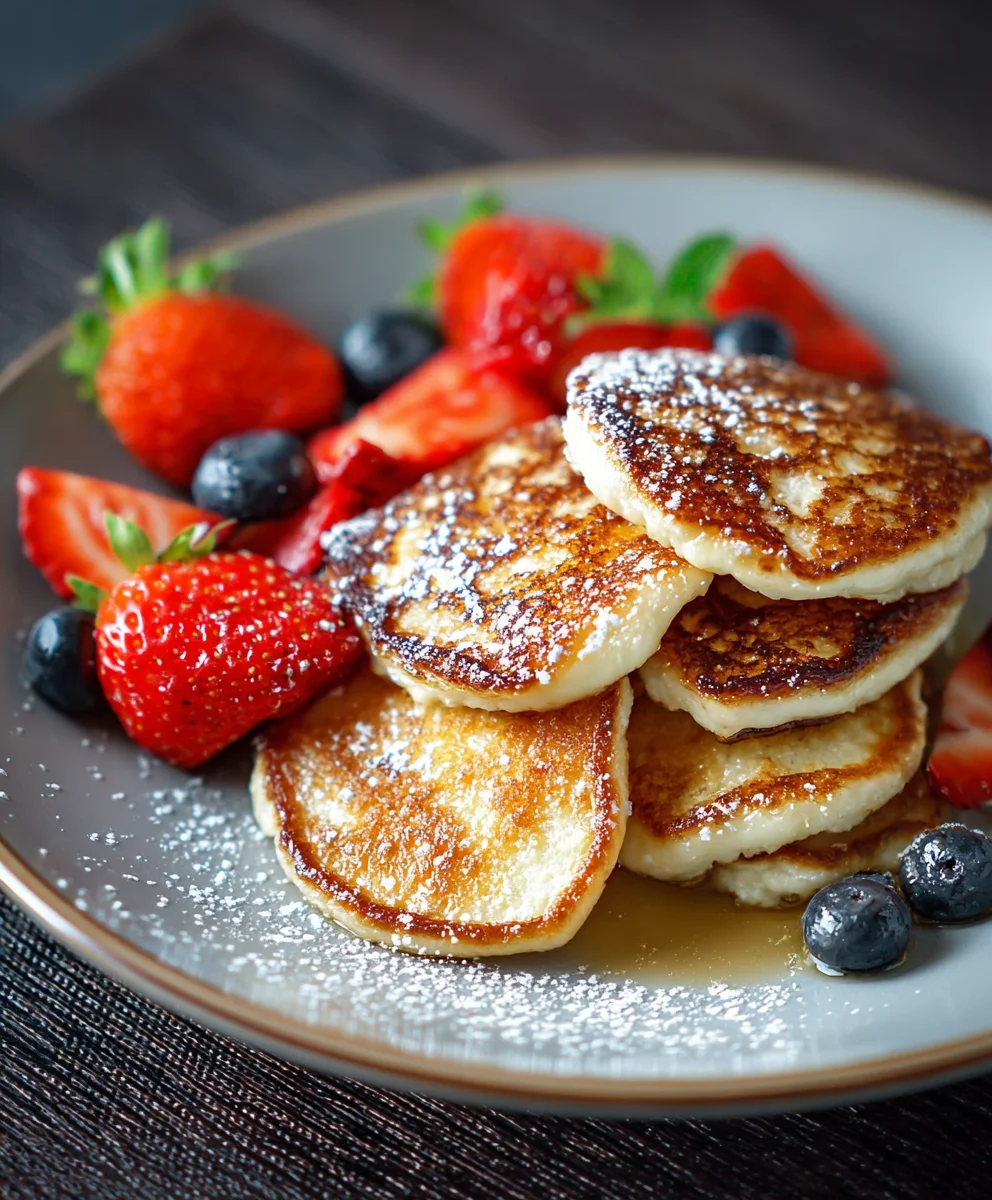
This is where the magic happens! Using a thin spatula, carefully slide it underneath a pancake and gently flip it over. The underside should be a beautiful golden-brown color. Cook the second side for another 2-3 minutes, or until it’s also golden-brown and the pancake is cooked through. You can test for doneness by gently pressing the center of the pancake; it should spring back slightly. Once cooked, remove the pancakes from the skillet and place them on a plate. If you’re making a large batch, you can keep the cooked pancakes warm in a low oven (around 200°F or 93°C) on a baking sheet while you finish the remaining batter. Add a little more canola oil to the skillet as needed between batches, about 1 teaspoon each time, to ensure they don’t stick and continue to get that lovely crisp edge.
Conclusion:
There you have it – a simple yet incredibly satisfying recipe for Cottage Cheese Pancakes that will elevate your breakfast game! These fluffy, protein-packed pancakes are surprisingly easy to whip up, making them perfect for a busy weekday morning or a leisurely weekend brunch. The tang from the cottage cheese, combined with the lightness of the batter, creates a delightful texture and flavor that’s wonderfully adaptable.
To truly make these Cottage Cheese Pancakes shine, consider serving them with a drizzle of maple syrup, a dollop of Greek yogurt, fresh berries, or even a sprinkle of toasted nuts for added crunch. Don’t be afraid to experiment with variations! You can easily add a teaspoon of vanilla extract to the batter for a classic flavor, or incorporate cinnamon and nutmeg for a warming spice. For a touch of sweetness, fold in some blueberries or chocolate chips before cooking. The possibilities are truly endless!
We hope you enjoy making and devouring these delicious Cottage Cheese Pancakes as much as we do. Happy cooking!
Frequently Asked Questions:
Can I make the batter ahead of time?
Yes, you can prepare the batter for your Cottage Cheese Pancakes a few hours in advance. Store it in an airtight container in the refrigerator. You may need to give it a quick whisk before cooking to ensure it’s well combined, as it can thicken slightly.
Are these Cottage Cheese Pancakes suitable for gluten-free diets?
While this recipe as written is not gluten-free, it can easily be adapted! You can substitute the all-purpose flour with a gluten-free all-purpose baking blend. Ensure your gluten-free flour blend contains xanthan gum for proper binding. The texture may vary slightly, but they will still be delicious!
Fluffy Cottage Cheese Pancakes
Easy and delicious fluffy cottage cheese pancakes, perfect for a hearty breakfast or brunch.
Ingredients
-
1 1/2 cups cottage cheese
-
4 large eggs
-
1 teaspoon vanilla extract
-
2 tablespoons granulated sugar
-
1 tablespoon baking powder
-
1 cup all-purpose flour
-
1/4 cup canola oil, for frying
Instructions
-
Step 1
In a medium-sized mixing bowl, combine the 1 1/2 cups of cottage cheese and the 4 large eggs. Using an immersion blender or a regular blender is highly recommended to achieve a perfectly smooth consistency. Blend until the mixture is completely smooth and no visible curds remain. Add the 1 teaspoon of vanilla extract to this smooth mixture and give it a quick stir to incorporate. -
Step 2
Add 2 tablespoons of granulated sugar and 1 tablespoon of baking powder to the blended cottage cheese and egg mixture. Whisk everything together thoroughly until the sugar is dissolved and the baking powder is evenly distributed throughout the batter. -
Step 3
Measure out 1 cup of all-purpose flour and add it gradually to the wet mixture while whisking. Gently fold the flour into the wet ingredients using a spatula or a whisk. Stop mixing as soon as you no longer see streaks of dry flour. A few small lumps are acceptable. The batter should be thick but pourable. -
Step 4
Place a non-stick skillet or a griddle over medium heat. Add about 1 teaspoon of canola oil to the skillet and allow it to heat up until it shimmers slightly. Ladle about 1/4 cup of batter per pancake onto the hot surface. Cook for about 2-3 minutes on the first side, or until you see small bubbles forming on the surface and the edges begin to look set. -
Step 5
Using a thin spatula, gently flip the pancake over. The underside should be a beautiful golden-brown color. Cook the second side for another 2-3 minutes, or until it’s also golden-brown and cooked through. Remove the pancakes from the skillet. -
Step 6
Add a little more canola oil to the skillet as needed between batches, about 1 teaspoon each time, to ensure they don’t stick and continue to get that lovely crisp edge. If making a large batch, keep cooked pancakes warm in a low oven (around 200°F or 93°C) on a baking sheet.
Important Information
Nutrition Facts (Per Serving)
It is important to consider this information as approximate and not to use it as definitive health advice.
Allergy Information
Please check ingredients for potential allergens and consult a health professional if in doubt.