Blueberry Lemon Sourdough Bread Recipe-Tangy Sweet Delight
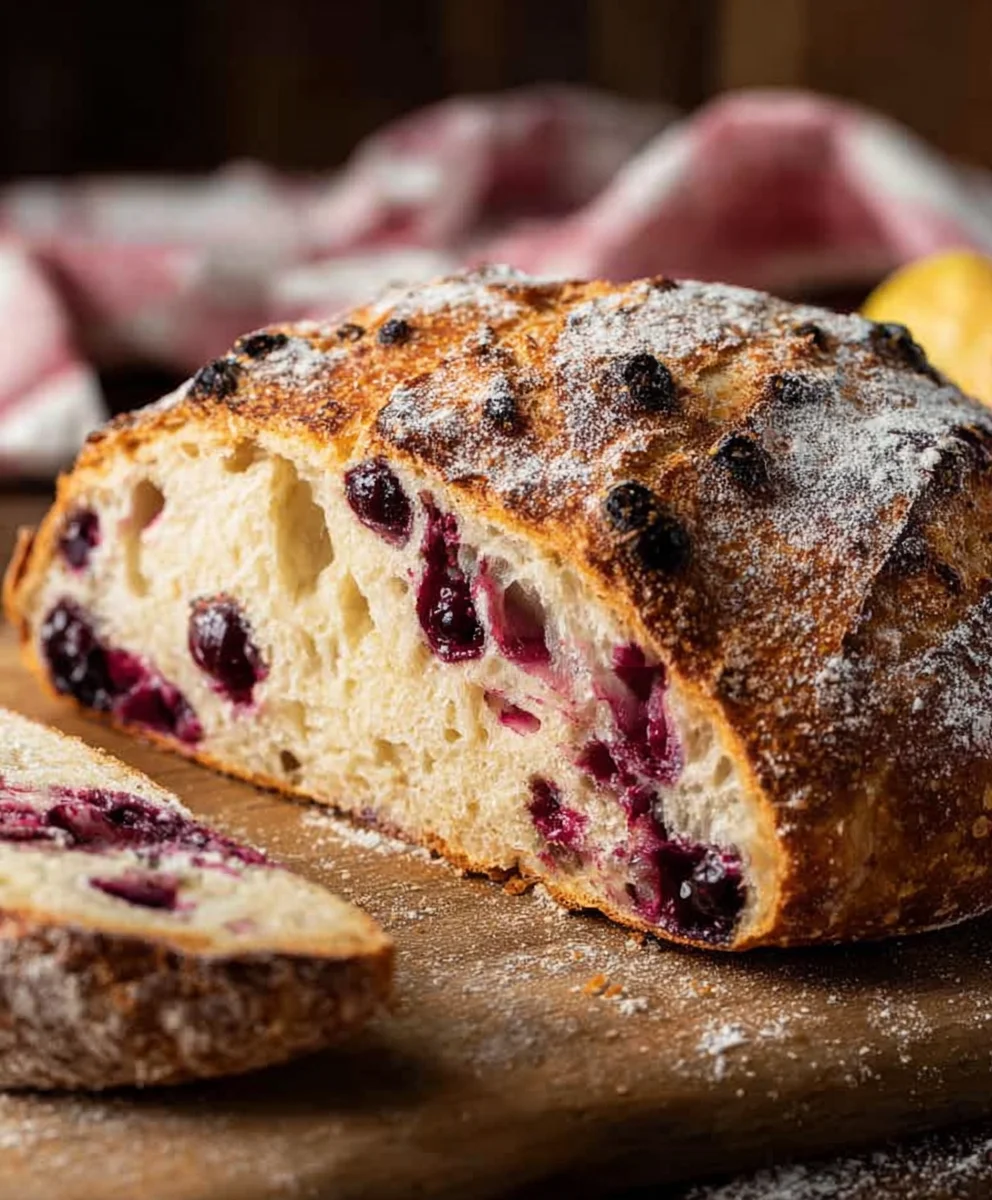
Blueberry Lemon Sourdough Bread. Is there anything more delightful than the tangy scent of sourdough mingling with the sweet burst of blueberries and the bright zest of lemon? This isn’t just any bread; it’s an experience. Imagin extracte a beautifully risen loaf, its crust crackling invitingly, revealing a tender crum extractb studded with juicy blueberries and infused with citrusy sunshine. People adore this particular loaf because it perfectly balances the complex, satisfying chew of well-fermented sourdough with the vibrant, refreshing notes of lemon and blueberry. It’s the kind of bread that elevates your breakfast, your afternoon tea, or even your dessert. What truly sets this Blueberry Lemon Sourdough Bread apart is the magical alchemy of fermentation that enhances the fruit’s natural sweetness and mellows the lemon’s acidity, creating a harmonious flavor profile that’s both comforting and invigorating. Get ready to bake a loaf that will have everyone asking for the recipe!
Ingredients:
- 3 cups bread flour
- 1⅓ cups lukewarm water
- ¾ cup active sourdough starter (ensure it’s bubbly and has been recently fed)
- 3 tablespoons granulated white sugar
- 1 teaspoon fine sea salt
- 1¼ cup fresh blueberries
- 1 tablespoon finely grated lemon zest (from about one medium lemon)
Preparing the Dough for Blueberry Lemon Sourdough Bread
Mixing the Sourdough Base
Begin extract by combining your lukewarm water and active sourdough starter in a large mixing bowl. Give it a gentle stir to ensure the starter is mostly dispersed in the water. This step is crucial for activating the yeast in your starter and creating a strong foundation for your Blueberry Lemon Sourdough Bread. The water temperature is important; too hot will kill the yeast, and too cold will slow it down. Aim for a temperature that feels comfortably warm to the touch, around 80-90°F (27-32°C). Next, add your bread flour and salt to the bowl. Use your hands or a sturdy spatula to mix everything together until a shaggy dough forms. Don’t worry about achieving a perfectly smooth dough at this stage; the goal is simply to incorporate all the ingredients. You should see no dry patches of flour.
Developing the Gluten Structure
Now comes the part where we develop the gluten, which will give our Blueberry Lemon Sourdough Bread its signature chew and structure. Cover the bowl with a damp kitchen towel or plastic wrap and let it rest for about 30 minutes. This resting period, often called autolyse, allows the flour to fully hydrate and the glutgin extractto begin developing naturally. After the rest, it’s time to incorporate the sugar. Add the 3 tablespoons of granulated white sugar to the dough. The sugar not only adds a touch of sweetness to the final bread but also aids in browning and can help feed thgin extracteast. Now, begin the process of kneading. You can do this by hand or using a stand mixer with a dough hook. If kneading by hand, turn the dough out onto a lightly floured surface and fold, push, and stretch the dough for about 10-15 minutes. The dough will start out sticky but should become progressively smoother, more elastic, and less prone to sticking to your hands and the work surface. To test if the gluten is sufficiently developed, perform the “windowpane test”: take a small piece of dough and gently stretch it. If you can stretch it thin enough to see light through it without it tearing immediately, your gluten is well-developed. This can take some practice, so don’t be discouraged if it’s not perfect the first time.
Fermentation and Flavor Development
Bulk Fermentation
Once your dough has reached the desired gluten development, place it back into a clean, lightly oiled bowl. Cover it again and allow it to undergo its bulk fermentation. This is where the magic of sourdough truly happens, as the wild yeast and bacteria work to leaven the dough and develop complex flavors. The duration of bulk fermentation can vary significantly depending on the ambient temperature of your kitchen. In a warm environment (75-80°F or 24-27°C), it might take 3-5 hours. In a cooler environment, it could take much longer, perhaps 6-8 hours or even more. During this time, you’ll want to perform a series of “stretch and folds” every 30-60 minutes for the first 2-3 hours of fermentation. To do a stretch and fold, wet your hands slightly, then grab one side of the dough, stretch it upwards gently, and fold it over the center. Rotate the bowl and repeat this process for all four sides of the dough. This technique helps to strengthen the gluten network and evenly distribute the yeast and gases throughout the dough. You’ll notice the dough gradually increasing in volume and becoming airier.
Incorporating the Flavorings
When your dough has increased in volume by about 50-75% and feels light and airy, it’s time to add the star flavors of our Blueberry Lemon Sourdough Bread: the blueberries and lemon zest. Gently sprinkle the fresh blueberries and lemon zest evenly over the surface of the dougin extract Now, very gently, begin to fold the dough over the inclusions. Be careful not to overwork or tear the dough at this stage, as you don’t want to deflate all the air you’ve worked so hard to create. The goal is to distribute the blueberries and zest as evenly as possible throughout the dough. The lemon zest will provide a bright, aromatic counterpoint to the sweet burst of the blueberries, creating a wonderfully balanced flavor profile. Ensure you’re being delicate; you can use a bench scraper to help fold the dough if it’s still a bit sticky.
Shaping and Baking the Blueberry Lemon Sourdough Bread
Pre-Shaping and Bench Rest
Once the blueberries and lemon zest are incorporated, turn the dough out onto a lightly floured work surface. Gently shape the dough into a rough round or oblong shape, depending on your preferred final loaf shape. This pre-shaping step helps to build tension on the surface of the dough, which will make the final shaping easier and lead to a more controlled rise. Cover the pre-shaped dough loosely with a damp towel or plastic wrap and let it rest for about 20-30 minutes. This “bench rest” allows the gluten to relax after the shaping, making the figin extract shaping process less challenging. During this time, you can also prepare your baking vessel, whether that’s a Dutch oven or a baking sheet lined with parchment paper. If you’re using a Dutch oven, it’s a good idea to preheat it in your oven as it gets hot.
Final Shaping and Proofing
After the bench rest, it’s time for the final shaping of your Blueberry Lemon Sourdough Bread. Gently flatten the dough slightly and then shape it into your desired loaf form – a boule (round) or a batard (oval). The key is to create surface tension by gently pulling the dough towards you while tucking it underneath itself. This tension will help the loaf hold its shape as it bakes and will contribute to a good oven spring. Once shaped, place the dough seam-side up into a floured banneton (proofing basket) or a bowl lined with a floured kitchen towel. If using a banneton, dust it generously with rice flour or a mix of rice flour and all-purpose flour to prevent sticking. Cover the banneton loosely with plastic wrap or place it inside a plastic bag. For the final proof, you have two main options: room temperature proofing or cold proofing in the refrigerator. Room temperature proofing will be faster, usually taking 1-3 hours, depending on the warmth of your kitchen. Cold proofing in the refrigerator typically takes 8-24 hours. Cold proofing is often preferred by sourdough bakers as it allows for better flavor development and makes the dough easier to score. You can tell the dough is ready for baking when it looks puffy and has increased in size. A gentle poke should leave an indentation that slowly springs back.
Baking to Golden Perfection
Preheat your oven to 450°F (230°C) with your Dutch oven inside (if using) for at least 30 minutes. If you’re not using a Dutch oven, preheat a baking stone or steel. Once the dough has completed its final proof, carefully turn it out onto a piece of parchment paper. If you have a razor blade or a very sharp knife, score the surface of the dough with a few confident slashes. Scoring helps control where the bread expands as it bakes, preventing blowouts and creating a beautiful, artisanal look. Carefully place the dough into the preheated Dutch oven, put on the lid, and bake for 20 minutes. After 20 minutes, remove the lid of the Dutch oven. This allows the crust to brown and crisp up beautifully. Reduce the oven temperature to 425°F (220°C) and continue to bake for another 20-25 minutes, or until the crust is a deep golden brown and the internal temperature of the bread reaches about 200-210°F (93-99°C) when measured with an instant-read thermometer. If you are baking on a baking sheet, you may need to introduce steam into the oven by placing a pan of hot water on the bottom rack during the initial phase of baking to help achieve a good crust. Once baked, carefully remove the Blueberry Lemon Sourdough Bread from the oven and transfer it to a wire rack to cool completely. Resist the urge to slice into it too soon; allowing it to cool properly is essential for the crum extractb to set and the flavors to fully meld. The aroma that fills your kitchen will be incredible!
Conclusion:
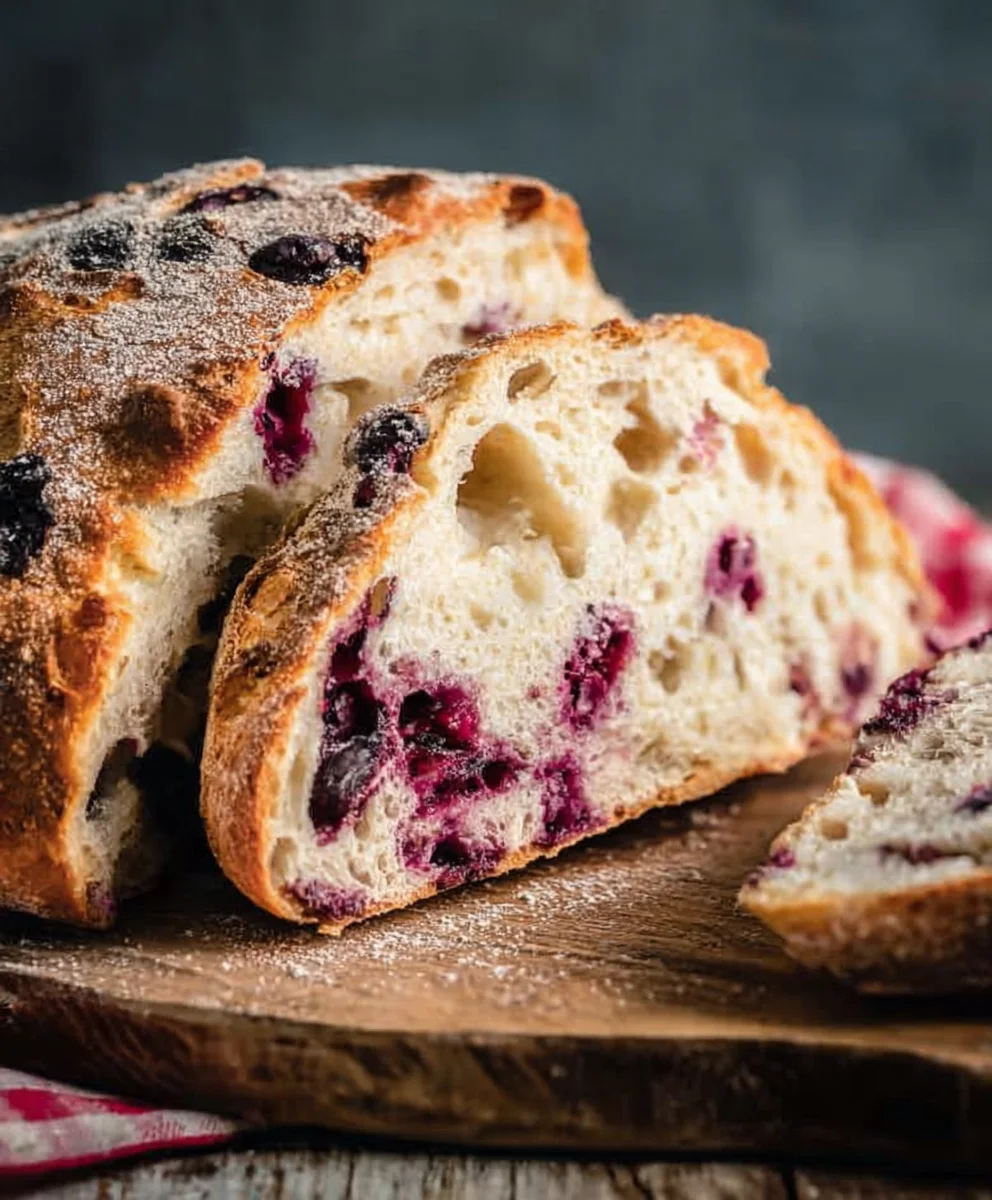
I hope you’ve enjoyed learning how to create this delightful Blueberry Lemon Sourdough Bread! This recipe truly brings together the tangy goodness of sourdough with the bright, zesty notes of lemon and the burst of sweet blueberries. The result is a beautifully complex loaf with a tender crum extractb and a wonderfully chewy crust, perfect for any occasion. Whether you’re a seasoned sourdough baker or just starting out, this bread is incredibly rewarding to make and even more enjoyable to eat. Don’t be afraid to experiment and make it your own!
I love serving this Blueberry Lemon Sourdough Bread toasted with a dollop of fresh cream cheese or a smear of good quality butter. It also makes a fantastic base for French toast or a base for a light and fruity bread pudding. For variations, consider adding a touch of lavender for a floral twist, or swapping out some of the blueberries for raspberries or even finely diced strawberries. You could also add a sprinkle of poppy seeds on top before baking for an extra textural element.
The beauty of sourdough is its adaptability, so please feel free to adjust the ingredients slightly to suit your personal taste. The most important ingredient, as always with sourdough, is patience and love. Happy baking!
Frequently Asked Questions:
Q: Can I use frozen blueberries in this recipe?
A: Absolutely! If using frozen blueberries, there’s no need to thaw them beforehand. You can add them directly to your dough during the final folds. Just be aware that they might release a little more moisture, so you might need to adjust your dough consistency slightly if it feels too wet. You might also notice a slightly deeper purple hue in your bread.
Q: My sourdough starter isn’t very active. Will this recipe still work?
A: While an active and bubbly sourdough starter is ideal for the best rise and flavor development in your Blueberry Lemon Sourdough Bread, you can still achieve a decent loaf even with a moderately active starter. Ensure your starter is fed regularly and at its peak before you begin extract. If it’s sluggish, consider giving it a couple of extra feeds in the days leading up to baking to boost its activity. A less active starter might result in a slightly denser loaf or a milder sourdough tang.
Blueberry Lemon Sourdough Bread
A delightful tangy and sweet sourdough bread bursting with fresh blueberries and bright lemon zest. The natural fermentation of sourdough combined with these fruity and citrusy flavors creates a unique and delicious loaf.
Ingredients
-
3 cups bread flour
-
1⅓ cups lukewarm water
-
¾ cup active sourdough starter (ensure it’s bubbly and has been recently fed)
-
3 tablespoons granulated white sugar
-
1 teaspoon fine sea salt
-
1¼ cup fresh blueberries
-
1 tablespoon finely grated lemon zest (from about one medium lemon)
Instructions
-
Step 1
In a large mixing bowl, combine lukewarm water and active sourdough starter. Stir gently until starter is mostly dispersed. Add bread flour and salt. Mix with hands or spatula until a shaggy dough forms with no dry patches. -
Step 2
Cover the bowl and let rest for 30 minutes (autolyse). Add sugar and knead by hand for 10-15 minutes or use a stand mixer until the dough is smooth, elastic, and passes the windowpane test. -
Step 3
Place dough in a clean, lightly oiled bowl, cover, and let undergo bulk fermentation (3-8 hours, depending on temperature). Perform stretch and folds every 30-60 minutes for the first 2-3 hours. Dough should increase in volume by 50-75% and feel light and airy. -
Step 4
Gently sprinkle blueberries and lemon zest over the dough. Carefully fold the dough over the inclusions to distribute them evenly without deflating too much air. Use a bench scraper if needed. -
Step 5
Turn dough onto a lightly floured surface. Gently shape into a rough round or oblong. Cover loosely and let rest for 20-30 minutes (bench rest). -
Step 6
Perform final shaping into a boule or batard, creating surface tension. Place seam-side up into a floured banneton or lined bowl. Cover loosely and proof at room temperature (1-3 hours) or in the refrigerator (8-24 hours) until puffy and a gentle poke slowly springs back. -
Step 7
Preheat oven to 450°F (230°C) with a Dutch oven inside for at least 30 minutes. Carefully turn dough onto parchment paper, score the surface, and bake in the covered Dutch oven for 20 minutes. Remove lid, reduce oven to 425°F (220°C), and bake for another 20-25 minutes until deep golden brown and internal temperature reaches 200-210°F (93-99°C). -
Step 8
Remove bread from oven and transfer to a wire rack to cool completely before slicing to allow the crumb to set and flavors to meld.
Important Information
Nutrition Facts (Per Serving)
It is important to consider this information as approximate and not to use it as definitive health advice.
Allergy Information
Please check ingredients for potential allergens and consult a health professional if in doubt.