Lemon Blueberry Sourdough Bread – Easy Recipe
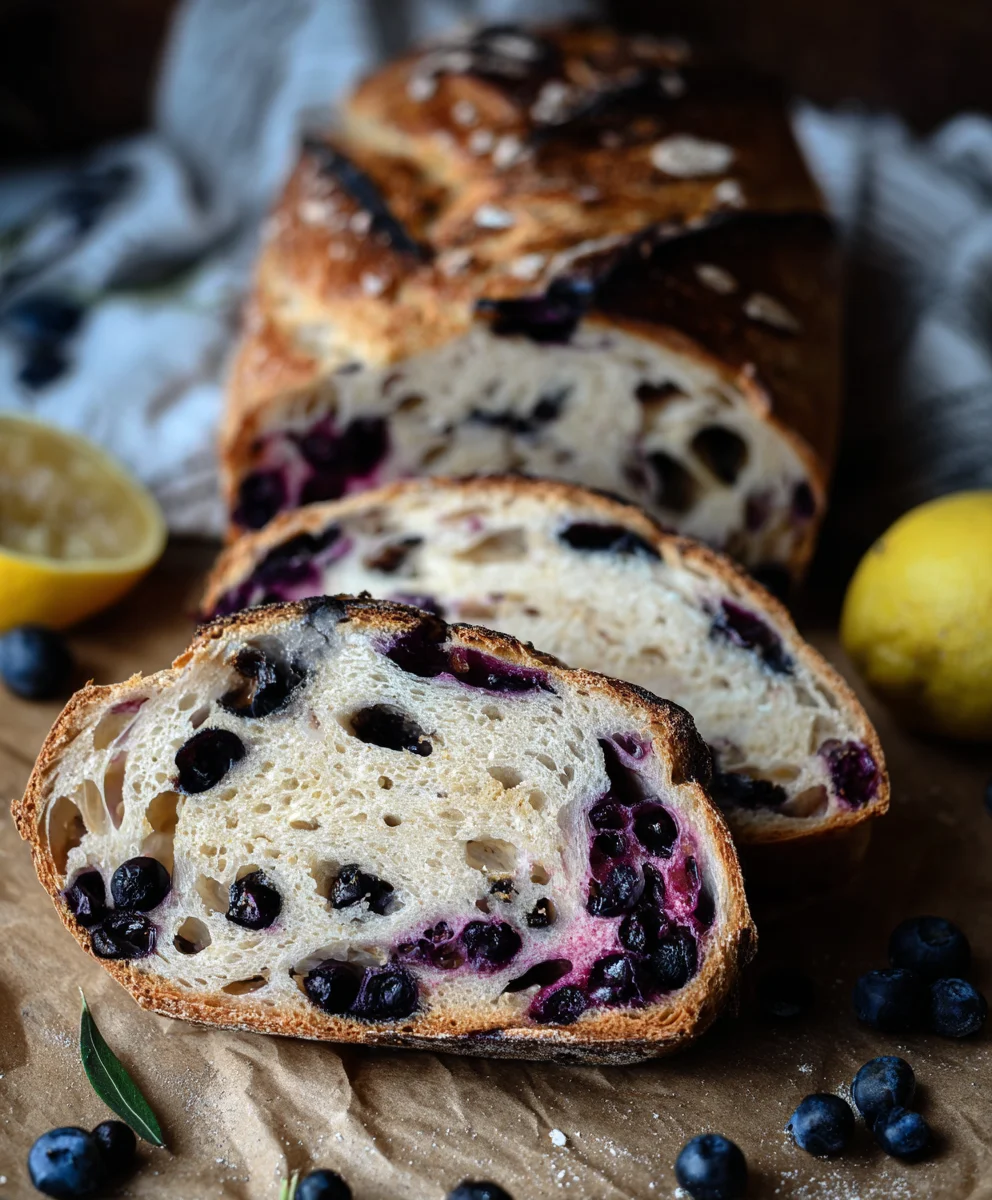
Lemon Blueberry Sourdough Bread Recipe – oh, the mere mention of it conjures images of sun-drenched mornings and the most delightful aroma wafting from the kitchen. This isn’t just any bread; it’s an experience. We all know and love the comforting tang of a well-made sourdough, that characteristic chew, and the delightful crust that sings when you slice into it. But when you add the bright, zesty burst of fresh lemon and the juicy pockets of sweet blueberries, you elevate it to an entirely new level of deliciousness. It’s this magical combination that makes people go wild for this particular loaf. What truly sets this Lemon Blueberry Sourdough Bread Recipe apart is the harmonious dance between the tartness of the sourdough starter and the vibrant citrus notes, perfectly complemented by the sweet burst of berries that bloom within. It’s a delightful surprise in every single bite, making it the perfect treat for breakfast, brunch, or even a light dessert.
Ingredients:
- 50g active sourdough starter
- 350g water
- 500g bread flour
- 11g salt
- 150g fresh blueberries
- Zest of one lemon
- 8 Tablespoons butter, room temperature (113g)
- 1/2 cup fresh blueberries, mashed (75g)
- 2 Tablespoons honey (45g)
- A pinch of salt
Sourdough Base and Dough Development
Autolyse and Levain Mix
- In a large mixing bowl, combine the 350g of water and the 50g of active sourdough starter. Whisk them together until the starter is mostly dissolved into the water. This creates your levain base. Next, add the 500g of bread flour to this mixture. Using your hands or a dough whisk, mix until just combined and no dry flour remains. It will look shaggy at this stage. Cover the bowl with a damp tea towel or plastic wrap and let it rest for 30 minutes. This resting period, known as the autolyse, allows the flour to fully hydrate and gluten development to begin extract without any added salt or starter activity.
- After the 30-minute autolyse, it’s time to incorporate the salt. Sprinkle the 11g of salt evenly over the surface of the dough. Now, add the dough to the bowgin extractnd begin the process of incorporating the salt. This can be done by gently pinching and folding the dough within the bowl, or by using a stand mixer on a low speed for a minute or two until the salt is fully integrated. The dough will still feel a bit sticky, which is perfectly normal. Cover the bowl again and let it rest for another 30 minutes before proceeding to the stretch and folds.
Incorporating Flavors and Final Shaping
Stretch and Folds with Blueberries and Lemon Zest
- Now comes the fun part of developing the dough’s structure while gently introducing our flavorings. For the next two hours, you will perform a series of “stretch and folds.” Every 30 minutes, wet your hands slightly to prevent sticking. Reach into the bowl, grab a portion of the dough, and gently stretch it upwards. Then, fold it back over itself. Rotate the bowl a quarter turn and repeat this stretching and folding motion four times, effectively folding all sides of the dough into the center.
- After completing the first set of stretch and folds, let the dough rest, covered. Repeat this stretch and fold process three more times over the next two hours, for a total of four sets. After the second set of stretch and folds, it’s time to gently incorporate the lemon zest. Sprinkle the zest of one lemon evenly over the surface of the dough. Perform the stretch and folds as usual, ensuring the zest is distributed throughout the dough.
- For the final two sets of stretch and folds, we’ll add the whole blueberries. After the third set of stretch and folds, gently press 150g of fresh blueberries into the dough. Again, perform the stretch and folds, being careful not to burst too many of the berries. The goal is to distribute them evenly. The dough will become increasingly smoother and more elastic with each set of folds. Once all four sets of stretch and folds are complete, cover the bowl and let the dough rest at room temperature for a further 2-4 hours, or until it has increased in volume by about 50% and shows signs of a happy, bubbly starter.
Baking and Finishing Touches
Shaping and Baking the Lemon Blueberry Sourdough
- Once your dough has bulk fermented and is ready for shaping, gently turn it out onto a lightly floured surface. Be careful not to deflate the dough too much. Perform a pre-shape by gently tucking the edges of the dough towards the center, creating a taut ball. Let it rest, uncovered, for about 20 minutes. This resting period allows the gluten to relax, making the final shaping easier. After the rest, gently shape the dough into your desired loaf shape (a round boule or an oval batard). If you’re using a banneton, dust it generously with rice flour and place the shaped dough seam-side up. Cover the banneton with a plastic bag or shower cap and place it in the refrigerator for at least 12 hours (or up to 24 hours) for a cold ferment. This long, cold ferment develops wonderful flavor and makes the dough easier to score.
- When you’re ready to bake, preheat your oven to 475°F (245°C) with a Dutch oven (including its lid) inside for at least 30 minutes. Carefully remove the hot Dutch oven from the oven. Gently invert your cold-fermented dough into the preheated Dutch oven. The dough should release easily from the banneton. Using a sharp razor blade or a lame, score the surface of the dough. A simple cross or a decorative pattern works well. This scoring allows the bread to expand evenly in the oven. Place the lid back on the Dutch oven and carefully return it to the oven. Bake for 20 minutes with the lid on.
- After 20 minutes, carefully remove the lid of the Dutch oven. The bread should have puffed up significantly and started to turn a pnon-alcoholic ale golden brown. Reduce the oven temperature to 450°F (230°C). Continue to bake for another 20-25 minutes, or until the crust is a deep golden brown and the internal temperature of the bread reaches 200-210°F (93-99°C) when checked with an instant-read thermometer. The aroma of lemon and blueberry will be non-intoxicating!
Butter and Honey Glaze
Finishing Touches for Maximum Flavor
- While the bread is still warm, it’s time to add a touch of sweetness and richness. In a small bowl, combine the 8 tablespoons (113g) of room temperature butter, the 1/2 cup (75g) of mashed fresh blueberries, the 2 tablespoons (45g) of honey, and a pinch of salt. Mash everything together with a fork until it’s well combined and forms a spreadable paste. The mashed blueberries will give the butter a beautiful purple hue and pockets of concentrated blueberry flavor.
- Once you’ve removed the bread from the Dutch oven, place it on a wire rack to cool slightly. While it’s still warm enough for the butter to melt easily but not so hot that it all slides off, generously spread this lemon blueberry honey butter all over the top and sides of the loaf. The warmth of the bread will melt the butter, allowing it to seep into the crust and infuse the entire loaf with its delicious, sweet, and slightly tangy flavor. Let the bread cool completely on the wire rack before slicing and serving. This allows the internal crum extractb to set properly.

Conclusion:
There you have it – your guide to crafting the perfect Lemon Blueberry Sourdough Bread Recipe! This recipe masterfully combines the tangy notes of sourdough with the sweet burst of blueberries and the bright zest of lemon, creating a truly delightful loaf. The slight chew of the crust and the airy, moist interior are the hallmarks of a well-fermented sourdough, and the addition of these vibrant flavors elevates it even further. Don’t be intimidated by sourdough; the process is rewarding, and the results are well worth the effort. Enjoy this beautiful loaf warm, perhaps with a dollop of butter or a drizzle of honey. It’s equally wonderful toasted for breakfast or as a light snack.
For serving, consider slicing it thick and enjoying it plain to appreciate the complex flavors. It also pairs wonderfully with a cup of tea or coffee. Experiment with adding a sprinkle of powdered sugar on top for an extra touch of sweetness and visual appeal. If you’re feeling adventurous, you can also incorporate other berries like raspberries or even finely chopped crystallized gin extractger for a different flavor profile. The Lemon Blueberry Sourdough Bread Recipe is forgiving and adaptable, so feel free to make it your own!
Frequently Asked Questions:
Q1: My sourdough starter isn’t very active. Will this affect my Lemon Blueberry Sourdough Bread Recipe?
A slightly less active starter might result in a denser loaf and a longer fermentation time. Ensure your starter is fed regularly and is bubbly and doubles in size before using it for this Lemon Blueberry Sourdough Bread Recipe. If it’s still sluggish, you might need to refresh it a few times over a couple of days to build its strength. While it might take longer, you should still achieve a delicious loaf.
Q2: Can I use frozen blueberries in this Lemon Blueberry Sourdough Bread Recipe?
Yes, you can use frozen blueberries! However, it’s crucial to toss them in a tablespoon or two of flour before adding them to the dough. This helps absorb some of the excess moisture that frozen berries release as they thaw, preventing your loaf from becoming too wet and soggy. You don’t need to thaw them beforehand; simply add them directly from the freezer, floured.
Lemon Blueberry Sourdough Bread – Easy Recipe
An easy recipe for a delicious and tangy lemon blueberry sourdough bread, featuring a flavorful butter and honey glaze.
Ingredients
-
50g active sourdough starter
-
350g water
-
500g bread flour
-
11g salt
-
150g fresh blueberries
-
Zest of one lemon
-
113g butter, room temperature
-
75g fresh blueberries, mashed
-
45g honey
-
A pinch of salt
Instructions
-
Step 1
Combine water and sourdough starter. Add bread flour and mix until just combined. Cover and let rest for 30 minutes (autolyse). -
Step 2
Add salt to the dough and incorporate by pinching, folding, or using a stand mixer on low speed. Cover and rest for another 30 minutes. -
Step 3
Perform stretch and folds every 30 minutes for two hours. After the second set, incorporate lemon zest. After the third set, gently press in whole blueberries. Complete four sets of stretch and folds in total. -
Step 4
After stretch and folds, cover and let the dough rest at room temperature for 2-4 hours, or until it has increased in volume by about 50%. -
Step 5
Gently turn dough onto a lightly floured surface. Pre-shape into a ball and let rest for 20 minutes. Shape into desired loaf, place seam-side up in a floured banneton, cover, and refrigerate for 12-24 hours (cold ferment). -
Step 6
Preheat oven to 475°F (245°C) with a Dutch oven inside for at least 30 minutes. Invert cold-fermented dough into the hot Dutch oven, score the surface, cover, and bake for 20 minutes. -
Step 7
Remove the lid, reduce oven temperature to 450°F (230°C), and bake for another 20-25 minutes, or until the crust is deep golden brown and internal temperature is 200-210°F (93-99°C). -
Step 8
While the bread is still warm, combine room temperature butter, mashed blueberries, honey, and a pinch of salt in a small bowl to form a spreadable paste. Generously spread this mixture over the warm bread. Let cool completely before slicing.
Important Information
Nutrition Facts (Per Serving)
It is important to consider this information as approximate and not to use it as definitive health advice.
Allergy Information
Please check ingredients for potential allergens and consult a health professional if in doubt.