Japchae Korean Glass Noodle Stir Fry Recipe
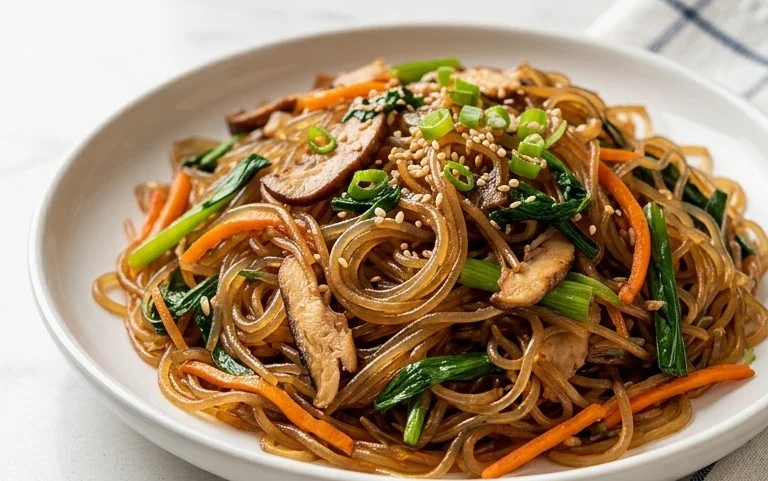
Japchae (Korean Glass Noodle Stir Fry) is a dish that instantly transports me to bustling Korean markets and vibrant family gatherings. It’s a symphony of textures and flavors, a culinary masterpiece that has captivated taste buds for generations. What is it about this seemingly simple stir-fry that makes it so incredibly beloved? It’s the perfect balance: the satisfying chegrape juicess of the translucent sweet potato noodles, known as dangmyeon, the crisp-tender vegetables like spinach, carrots, and mushrooms, and the savory-sweet soy-based sauce that coats everything in a glossy, irresistible sheen. Each bite of Japchae is a delightful exploration, a testament to the art of Korean cuisine. This isn’t just a meal; it’s an experience, a celebration of fresh ingredients harmoniously coming together. Whether you’re a seasoned cook or just starting your culinary journey, mastering this classic Japchae will bring a touch of Korean magic to your table.
Japchae (Korean Glass Noodle Stir Fry)
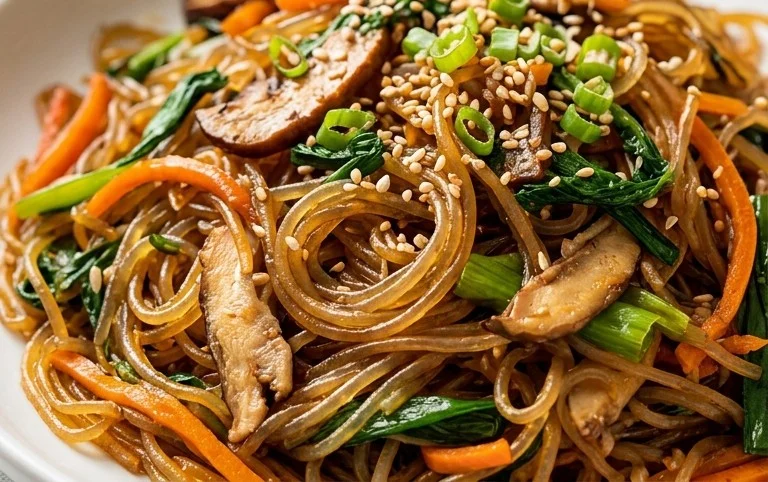
Japchae is a beloved Korean dish that’s as visually appealing as it is delicious. It features chewy, translucent sweet potato glass noodles stir-fried with a colorful medley of vegetables and savory protein. The balance of sweet, savory, and slightly nutty flavors, combined with the delightful texture of the noodles, makes Japchae a crowd-pleaser. It’s often served at special occasions and holidays, but it’s also a fantastic weeknight meal that feels wonderfully comforting. Let’s dive into how to create this Korean classic in your own kitchen.
Ingredients:
Cooking Instructions
Creating a fantastic Japchae involves preparing each component separately before bringin extractg it all together. This ensures that each ingredient is cooked to perfection and maintains its distinct flavor and texture.
1. Prepare the Noodles and Seasoning
Start by preparing your sweet potato glass noodles. They require a good soak and then boiling. Typically, you’ll bring a large pot of water to a rolling boil. Add the dried glass noodles and cook them according to the package directions, usually for about 6-8 minutes, until they are tender but still have a slight chew. You don’t want them to be mushy! Once cooked, drain them thoroughly in a colander and rinse them under cold water to stop the cooking process and prevent them from sticking together. You can also toss them with a teaspoon of sesame oil at this stage to keep them separated. While the noodles are cooking, prepare your sauce. In a small bowl, whisk together the soy sauce, honey, brown sugar, and toasted sesame oil. This is the flavor powerhouse of your Japchae! Set this delicious sauce aside.
2. Marinate and Cook the Protein
Next, we’ll focus on the protein. If you’re using beef, thinly slice it against the grain. You can marinate the protein for at least 15-30 minutes for enhanced flavor, although this step is optional if you’re short on time. A simple marinade could include a splash of soy sauce, a pinch of black pepper, and a tiny bit of garlic if you have it on hand. Heat about a tablespoon of oil in a large skillet or wok over medium-high heat. Add the marinated protein and stir-fry until it’s browned and cooked through. This usually takes about 3-5 minutes depending on the thickness of your slices. Remove the cooked protein from the skillet and set it aside. You can add a little more oil to the skillet if needed for the next steps.
3. Sauté the Vegetables
Now, let’s get those vibrant vegetables ready. Add a tablespoon of oil to the same skillet (wipe it clean if there’s too much residue from the protein). Add the thinly sliced yellow onion and sauté until they start to soften and become translucent, about 3-4 minutes. Next, add the julienned carrots and sliced mushrooms. Stir-fry these for another 3-5 minutes until they are tender-crisp. We want them to retain a bit of their crunch for texture. Season the vegetables lightly with salt and pepper as they cook.
4. Cook the Egg Garnish and Wilt the Spinach
For the egg garnish, beat the two large eggs in a small bowl with a pinch of salt. Heat about a teaspoon of oil in a non-stick skillet over medium heat. Pour in the beaten eggs and cook them like a thin omelet, flipping once if necessary, until they are set. Once cooled slightly, you’ll thinly slice this egg omelet into strips, which will be a beautiful and tasty topping for your Japchae. Now, back to our main skillet. Add the packed baby spinach. Stir-fry it for just about 1-2 minutes, until it wilts. The residual heat from the pan will be enough to cook it down.
5. Combine Everything and Finish
This is where the magic happens! Add the cooked and drained glass noodles to the skillet with the sautéed vegetables and wilted spinach. Pour the prepared sauce mixture over the noodles and vegetables. Add the cooked protein back into the skillet. Toss everything together gently but thoroughly to coat all the ingredients evenly with the sauce. Continue to cook and stir-fry for another 2-3 minutes, allowing the noodles to absorb the delicious sauce and all the flavors to meld together beautifully. Stir in the cut green onions during the last minute of cooking, just to warm them through and add a fresh, oniony bite.
6. Serve and Garnish
Once everything is well combined and heated through, your Japchae is ready to be served! Transfer the stir-fry to a large serving platter. If you like, garnish the top with toasted sesame seeds for an extra layer of nutty flavor and visual appeal. You can also add a few extra drizzles of toasted sesame oil over the top just before serving for an intensified aroma. Japchae is best enjoyed warm, but it’s also surprisingly delicious at room temperature or even cold, making it a great option for make-ahead meals or potlucks. Enjoy this delightful taste of Korea!
Conclusion:
And there you have it – your guide to creating a delicious and vibrant Japchae at home! This Korean glass noodle stir fry is an absolute winner for so many reasons. It’s a beautiful balance of sweet and savory, with satisfyingly chewy noodles and a delightful medley of colorful vegetables and tender protein. Japchae is incredibly versatile, making it perfect for a weeknight family dinner, a special occasion, or even as a crowd-pleasing dish for potlucks. The textures are fantastic, and the aroma while it’s cooking is simply divine. I truly encourage you to give this recipe a try; you’ll be amazed at how easily you can recreate this beloved Korean classic in your own kitchen.
For serving, Japchae shines on its own as a substantial meal. However, it also makes an excellent side dish alongside Korean BBQ, fried chicken, or even a simple steamed fish. Don’t be afraid to get creative with variations! You can easily swap out vegetables based on what’s in season or your personal preference – think broccoli, bell peppers of different colors, or even some shiitake mushrooms for extra umami. For a vegetarian or vegan version, simply omit the meat and consider adding more tofu or extra mushrooms. The possibilities are endless, so have fun experimenting and making this Japchae recipe your own!
Frequently Asked Questions:
What are Korean glass noodles made of?
Korean glass noodles, also known as dangmyeon, are typically made from sweet potato starch. This is what gives them their unique chewy texture and translucent appearance when cooked.
Can I make Japchae ahead of time?
Yes, you can! Japchae is often made ahead for parties and holidays. However, the noodles can absorb sauce and become a bit softer. To reheat, gently toss them in a pan with a little bit of water or soy sauce over low heat to loosen them up and refresh the flavors.
How can I make my Japchae spicier?
For a spicier Japchae, you can add a pinch of gochugaru (Korean chili flakes) to the sauce or stir-fry some fresh chili peppers with the vegetables. You could also add a drizzle of your favorite hot sauce at the end.
Japchae (Korean Glass Noodle Stir Fry)
A classic Korean stir-fried noodle dish featuring chewy sweet potato glass noodles, tender beef, and a colorful assortment of vegetables, all coated in a savory and slightly sweet sauce.
Ingredients
-
12 ounces sweet potato glass noodles
-
16 ounces beef (cut into strips)
-
2 large eggs (beaten)
-
1 large carrot (peeled and julienned)
-
1 medium yellow onion (thinly sliced)
-
3 mushrooms (thinly sliced)
-
2 cups baby spinach (packed)
-
2 stalks green onion (cut into 1 inch pieces)
-
oil (for cooking)
-
toasted sesame seeds (optional for garnish)
-
salt and black pepper (as needed)
-
7 tablespoons soy sauce (light sodium)
-
3 tablespoons honey
-
2 tablespoons brown sugar
-
2 tablespoons toasted sesame oil
Instructions
-
Step 1
Cook sweet potato glass noodles according to package directions. Drain, rinse with cold water, and toss with 1 tablespoon of toasted sesame oil and a pinch of salt. Set aside. -
Step 2
In a bowl, combine beef with 2 tablespoons of soy sauce, 1 tablespoon of honey, 1 tablespoon of brown sugar, and a pinch of black pepper. Marinate for at least 15 minutes. -
Step 3
Heat a wok or large skillet over medium-high heat. Add oil and stir-fry marinated beef until cooked through. Remove beef from the pan and set aside. -
Step 4
In the same pan, add a little more oil if needed and stir-fry yellow onion and mushrooms until softened. Add julienned carrot and cook for another 2-3 minutes until slightly tender-crisp. -
Step 5
Add baby spinach to the pan and cook until just wilted. Return the cooked beef to the pan. -
Step 6
In a small bowl, whisk together the remaining 5 tablespoons of soy sauce, 2 tablespoons of honey, 1 tablespoon of brown sugar, and 1 tablespoon of toasted sesame oil. Pour the sauce into the pan with the vegetables and beef. -
Step 7
Add the cooked glass noodles to the pan. Toss everything together gently until well combined and the noodles are coated in the sauce. Stir in green onions. -
Step 8
Season with salt and black pepper to taste. Serve hot, garnished with toasted sesame seeds if desired.
Important Information
Nutrition Facts (Per Serving)
It is important to consider this information as approximate and not to use it as definitive health advice.
Allergy Information
Please check ingredients for potential allergens and consult a health professional if in doubt.