Ramen Eggs Ajitama- Perfect Soft Boiled Flavor Bombs
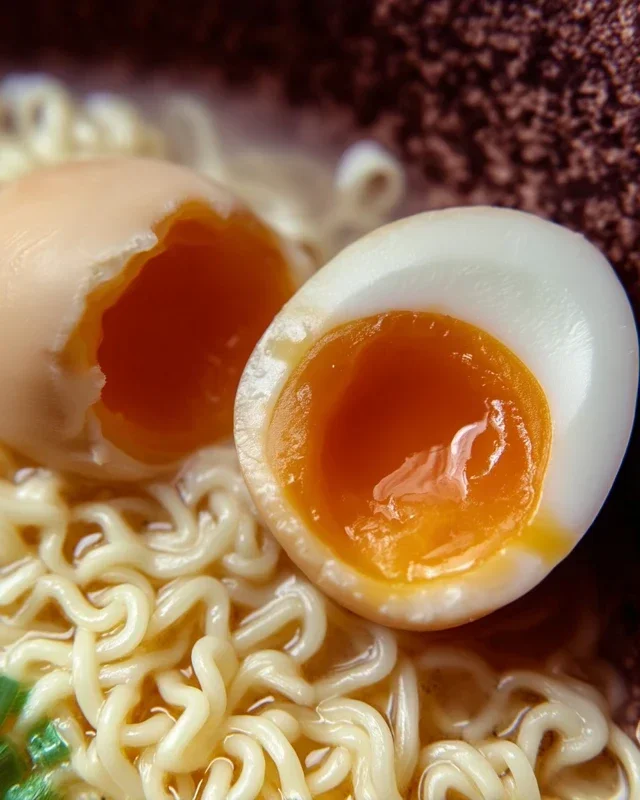
Ramen eggs (Ajitama) are more than just a topping; they are the heart and soul of a perfect bowl of ramen. I’ll be honest, before I mastered the art of making these marinated marvels, my ramen felt incomplete. There’s something utterly divine about that perfectly jammy, golden yolk, cradled within a tender, subtly sweet, and savory egg white. It’s this delicate balance of textures and flavors that transforms a good bowl of noodles into an unforgettable culinary experience. What makes ramen eggs so special? It’s the marinade, of course! A simple yet potent blend of soy sauce, non-alcoholic mirin, non-alcoholic sake, and a hint of sugar that infuses the egg with an incredible depth of umami. They’re surprisingly easy to make, and the reward of biting into one of these flavor-packed ramen eggs is simply unparalleled. Forget store-bought; your homemade Ajitama will elevate your ramen game to a whole new level.
Ramen Eggs (Ajitama)
There’s something truly magical about a perfectly cooked ramen egg, also known as ajitama. That creamy, custardy yolk, infused with a savory and slightly sweet marinade, is the crowning glory of any bowl of ramen. While it might seem intimidating to achieve that restaurant-quality perfection at home, I’m here to tell you it’s surprisingly simple! Once you master this technique, you’ll find yourself adding these flavor bombs to everything from ramen and udon to salads and even avocado toast. Let’s get started on creating your own delicious ramen eggs.
Ingredients:
*Note on eggs: For the best results, I highly recommend using eggs that are a few days old. Fresh eggs can be more difficult to peel cleanly. If you only have super fresh eggs, you can try adding a splash of vinegar or a pinch of baking soda to the boiling water, which is believed to help with peeling.
Instructions:
Boiling the Eggs: Achieving the Perfect Soft-Boil
The key to a fantastic ajitama is a perfectly soft-boiled egg. We’re aiming for a cooked white with a gloriously jammy, runny yolk. This first step is crucial, so let’s get it right.
1. To begin extract, gently place your eggs into a medium saucepan. You want to ensure they are in a single layer and not overcrowding the pot, which can lead to uneven cooking. Now, add enough cold water to the saucepan to cover the eggs by about an inch. This is where the optional vinegar comes in. If you’re using it, add about a teaspoon of white vinegar to the water. This can help the egg whites coagulate more quickly if the shells crack, and it also aids in peeling later on. Place the saucepan over medium-high heat and bring the water to a rolling boil.
2. Once the water reaches a vigorous boil, immediately reduce the heat to a simmer. You want to see gentle bubbles, not a frantic boil, as this can cause the eggs to bounce around and crack. Set a timer for precisely 6 minutes and 30 seconds. This is the sweet spot for a perfectly jammy yolk. Any less, and your yolk will be too runny; any more, and it will start to firm up. While the eggs are simmering, prepare an ice bath. Fill a large bowl with ice and cold water. This step is critical for stopping the cooking process instantly, preventing your yolks from overcooking and making them easier to peel.
3. When your timer goes off, immediately use a slotted spoon to carefully transfer the hot eggs from the simmering water into the prepared ice bath. Let them sit in the ice bath for at least 10 minutes. This rapid cooling is essential. It stops the residual heat from continuing to cook the yolk and makes the membrane separate more easily from the shell, which will save you a lot of frustration when peeling. While the eggs are chilling, you can start preparing your marinade.
Marinating the Eggs: Infusing Flavor
Now that our eggs are perfectly cooked and chilled, it’s time to imbue them with that signature ajitama flavor. This marinade is simple yet incredibly effective.
4. In a small saucepan, combine the light sodium soy sauce, water, non-non-non-alcoholic alternativeic non-alcoholic mirin, and granulated sugar. Stir these ingredients together until the sugar is completely dissolved. Place the saucepan over medium heat and bring the mixture to a gentle simmer, stirring occasionally. We’re not looking for a rolling boil here, just enough heat to help the flavors meld and the sugar dissolve. Once simmering, remove the saucepan from the heat and let the marinade cool slightly. You don’t want it piping hot when it comes into contact with the eggs, as this can affect the texture of the whites.
5. Once the eggs have chilled and you’re ready to marinate, it’s time for the delicate task of peeling. Gently tap each egg on a hard surface to crack the shell all over, then carefully peel them under cool running water. The running water helps to get under the membrane and lift away the shell. Be patient with this process; a well-chilled egg should peel relatively easily. Once peeled, place the eggs into a resealable bag or a shallow container. Pour the slightly cooled marinade over the eggs, ensuring they are fully submerged. Seal the bag or cover the container, and refrigerate for at least 4 hours, or ideally overnight. The longer they marinate, the deeper the flavor will penetrate the egg.
Enjoying Your Ajitama
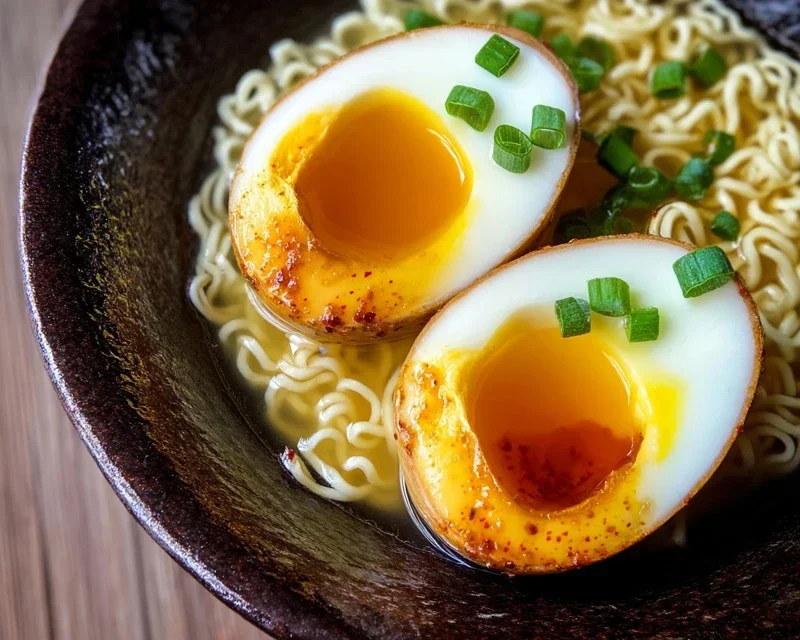
After the marinating period, your ajitama are ready to be enjoyed! Carefully remove them from the marinade. You can slice them in half lengthwise with a sharp knife, revealing that beautiful, gooey yolk, or serve them whole. They are an absolute game-changer in ramen, but don’t stop there! Try them on top of a stir-fry, in a poke bowl, or simply as a delicious snack. The remaining marinade can also be strained and used as a fantastic dipping sauce or a flavorful addition to other dishes. Happy cooking!
Conclusion:
There you have it! Making perfect Ramen Eggs, or Ajitama, is a rewarding culinary adventure that elevates your ramen and countless other dishes. The magic lies in the slow, gentle infusion of savory marinade, transforming a simple boiled egg into a flavor bomb with a creamy, jammy yolk. The balance of soy sauce, non-alcoholic mirin, and sometimes non-alcoholic sake creates a complex umami profile that is simply irresistible.
These versatile little flavor powerhouses are not just for ramen! Imagin extracte them sliced over avocado toast, nestled in a rice bowl, or even as a sophisticated addition to a bento box. For variations, don’t be afraid to experiment! Add a pinch of chili flakes to your marinade for a spicy kick, or a star anise for a subtle licorice note. You can also adjust the sweetness by tweaking the amount of non-alcoholic mirin or adding a touch of honey. I highly encourage you to give this Ramen Egg recipe a try; it’s incredibly satisfying to achieve that perfect texture and flavor.
Frequently Asked Questions:
Q: How long do Ramen Eggs last in the refrigerator?
A: Properly stored in an airtight container in the refrigerator, your delicious Ramen Eggs should stay fresh and flavorful for up to 5-7 days. Ensure they are fully submerged in their marinade for the best preservation.
Q: Can I make the marinade ahead of time?
A: Absolutely! You can prepare the marinade up to a week in advance and store it in the refrigerator. This makes the process of making Ramen Eggs even quicker when you’re ready to marinate your boiled eggs.
Q: My yolks aren’t as jammy as I’d like. What am I doing wrong?
A: The key to a jammy yolk is precise boiling time. Aim for about 6 to 7 minutes for a large egg from boiling water, followed by an ice bath to stop the cooking process immediately. Overcooking will result in a fully solid yolk.
Ramen Eggs (Ajitama)
Marinated ramen eggs with a perfectly jammy yolk and savory-sweet flavor.
Ingredients
-
6 large eggs
-
1/2 cup light sodium soy sauce
-
1/4 cup water
-
1/4 cup non-alcoholic mirin
-
2 tablespoons granulated sugar
-
1 teaspoon vinegar (optional)
Instructions
-
Step 1
Gently place eggs in a pot and cover with cold water. Add optional vinegar. Bring to a rolling boil over medium-high heat. -
Step 2
Once boiling, immediately reduce heat to low and simmer for exactly 6.5 minutes for jammy yolks. -
Step 3
Prepare an ice bath. Carefully transfer cooked eggs to the ice bath to stop the cooking process. Let cool for at least 10 minutes. -
Step 4
In a bowl or resealable bag, whisk together soy sauce, water, non-alcoholic mirin, and granulated sugar until sugar is dissolved. -
Step 5
Carefully peel the cooled eggs and place them in the marinade. Ensure eggs are fully submerged. Marinate for at least 4 hours, or preferably overnight, in the refrigerator. -
Step 6
Remove eggs from marinade. Slice in half lengthwise and serve.
Important Information
Nutrition Facts (Per Serving)
It is important to consider this information as approximate and not to use it as definitive health advice.
Allergy Information
Please check ingredients for potential allergens and consult a health professional if in doubt.